
Body Preservation Guide
How Long Can a Dead Body Be Kept at Home, in a Mortuary or Freezer Box?
A practical India-focused guide for families deciding between home vigil, freezer box, mortuary preservation, embalming and body transport after death.
Direct answer: There is no one fixed India-wide number of days. Without cooling, think in hours. With a freezer box at home, plan for 24 to 48 hours only when the body condition, room temperature and power supply are stable. If delay may cross 48 hours, shift to mortuary preservation. For more than one week, discuss embalming plus mortuary storage.
Home preservationFreezer boxMortuaryEmbalmingBody transport
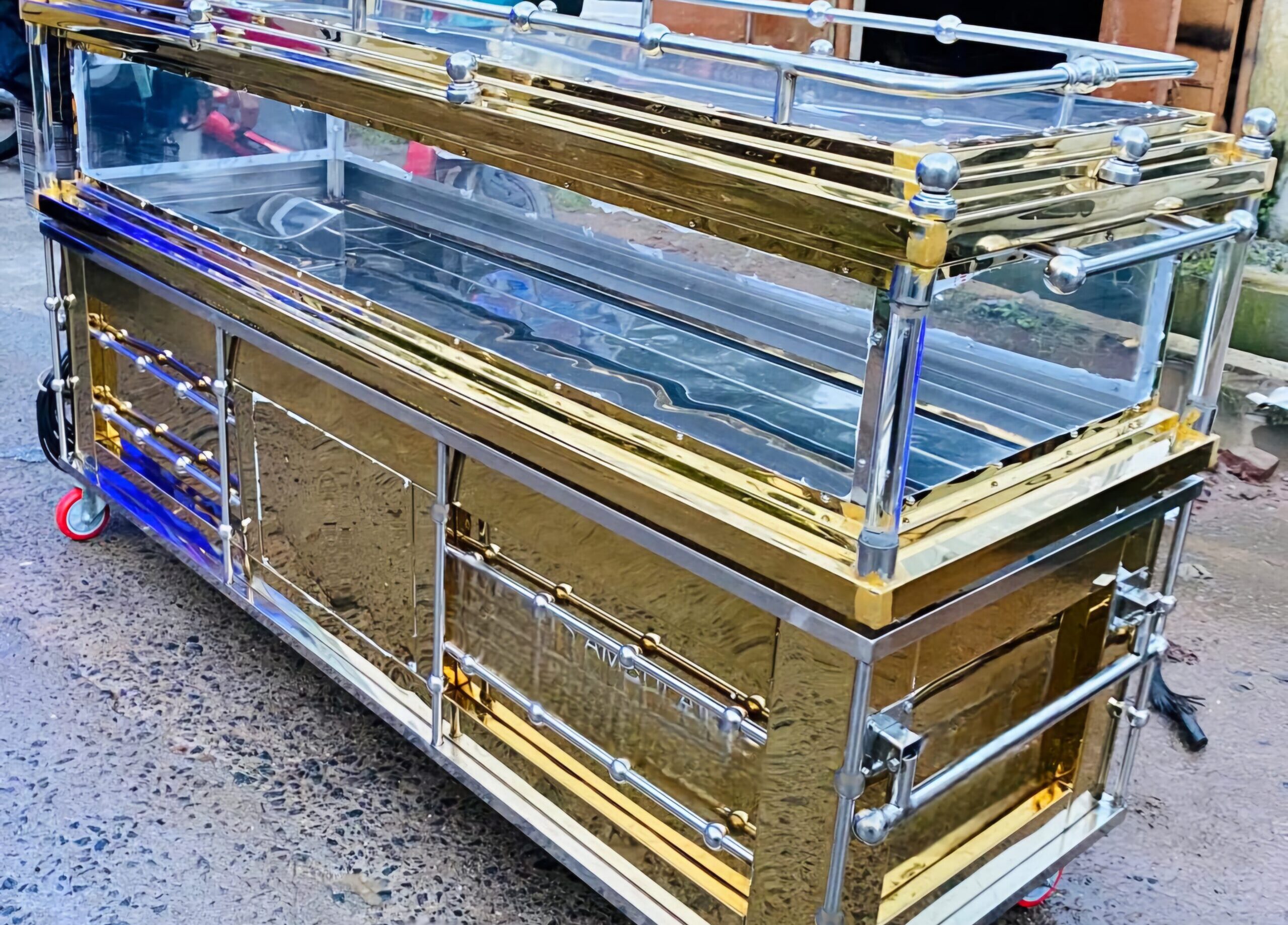
Operator note: Cooling is not magic. It slows decomposition. It does not stop tissue changes, gas formation, odour risk or leakage forever.
Indian heat warning: Do not treat “24 hours” as a fixed promise. In a 30°C+ non-AC room, especially during summer or monsoon humidity, treat 6–8 hours as a danger window, not a target. Without active freezer-box or mortuary cooling, visible somatic changes can start much earlier than families expect.
Quick Navigation
Read the Section You Need Now
This page is kept short on purpose. Use the section that matches your situation.
Choose the Storage Method
How Long Can the Body Be Kept?
Use this as practical planning guidance, not a medical or legal guarantee. Temperature, power supply, body condition and paperwork decide the real safe window.
| Where the body is kept | Practical duration | When it works | When to upgrade |
|---|---|---|---|
| Home without cooling | Only a short time. Think in hours. | Immediate rites, doctor expected soon, family already present. | If rites are not immediate, arrange freezer box or mortuary. |
| Home with freezer box | Usually 24–48 hours. | Next-day cremation/burial, relatives arriving, short document delay. | 30°C+ room heat, power risk, advanced edema, septicemia, jaundice, open surgical trauma, burns, leakage or delay beyond 48 hours. |
| Mortuary cold chamber | Often suitable for multiple days, subject to facility capacity and condition checks. | Police process, hospital release delay, flight/road transport planning. | If storage becomes long-term, ask about embalming or frozen storage. |
| Embalming + mortuary | Useful for more than one week or transport requirements. | Long-distance transport, air cargo, family wait, ceremonial viewing. | If delay extends into weeks, facility must review condition and storage type. |
| Professional frozen storage | Can allow weeks/months only where facility and legal process permit. | Long legal custody, delayed repatriation, exceptional family cases. | Not a home option. Needs facility approval, documentation and regular checks. |
Heat and Body Condition Warning
Why the Same “24 Hours” Is Not Safe in Every Case
After death, circulation and immune defence stop. Enzymes, bacteria and body fluids begin tissue breakdown. Cooling slows this; heat, humidity and delayed handling speed it up.
In Indian summer conditions, a normal home AC is not preservation equipment. If the room is above 30°C, or the freezer box is connected late, do not wait casually for the next day. Start active cooling early or shift to mortuary.
Choose mortuary early for cases involving advanced edema, septicemia, jaundice, open surgical trauma, post-operative drain sites, burns, drowning, long ICU stay, obesity, gas formation, leakage, odour or delayed hospital release.
Immediate Decision Timeline
What to Do as Time Passes After Death
Confirm the death, start paperwork, choose cooling and upgrade to mortuary or embalming before the situation becomes unsafe.
- 1Death occurs
Check whether it is expected, sudden, hospital, home or medico-legal.
- 2Same day
Call the doctor, hospital or police as applicable. Do not move doubtful cases.
- 3Few hours
Home vigil is only for quick rites or immediate family arrival, not for open-ended waiting.
- 424–48 hrs
Use freezer box only when cooling started early, power is stable and condition is low-risk.
- 548+ hrs
Shift to mortuary. Do not keep the body at home for multiple days.
- 61+ week
Use embalming plus mortuary. Extended cases may need frozen storage.
Home Preservation
How Long Can a Dead Body Be Kept at Home?
If there is no freezer box, keep the body at home only for a short time. In Indian weather, do not assume the body can remain at home until the next day without cooling.
With a freezer box, home preservation is mainly for short family waiting time: relatives arriving, next-day cremation or a small document delay. Keep the room ventilated, avoid direct sunlight, reduce crowding around the body and avoid repeatedly opening the box.
If the room is hot, power supply is unstable, or the case involves advanced edema, septicemia, jaundice, open wounds, post-operative trauma, odour, leakage or skin changes, call for mortuary support instead of stretching the home arrangement.
Freezer Box Use
How Long Can a Body Stay in a Freezer Box?
For most families, the practical planning window is 24 to 48 hours. That is not because every body changes exactly at 48 hours. It is because home conditions are not controlled like a mortuary.
Good use
Next-day cremation or burial, relatives arriving, priest timing, local paperwork delay.
Watch power
Use a direct, stable socket. If power fails repeatedly or the box stops for 30–45 minutes, treat it as a cold-chain break and call the provider.
Watch the room
A freezer box works harder in a hot closed room. Keep it away from sunlight, crowding and repeated lid opening.
Upgrade early
Move to mortuary if there is odour, leakage, advanced edema, skin slippage, trauma or delay beyond 48 hours.
Simple family rule: A freezer box is for short-term respectful holding at home. It should not be treated as a many-days mortuary replacement.
Refrigerated Somatic Preservation
When Should the Body Be Shifted to a Mortuary?
Choose mortuary preservation when the delay is no longer a simple family wait. Mortuary storage gives better custody, cold-chamber handling, identity control and release documentation.
- 1Delay crossing 48 hours
Mortuary is safer than keeping the body at home for multiple days.
- 2MLC or post-mortem case
Medico-legal cases usually need police custody, identity tags and official release.
- 3Transport planned
Air, road or inter-state movement may need embalming, coffin packing and papers.
- 4High-risk condition
Advanced edema, septicemia, jaundice, open surgical trauma, burns or leakage need professional handling.
- 5Family wait is long
If relatives may take days to arrive, shift before visible deterioration starts.
- 6Mortuary gatekeeping
External home-death bodies may be refused if papers are unclear, space is unavailable or police release is pending.
Long-Term Controlled Storage
Can a Body Be Preserved for Weeks or Months?
Yes, but only in professional controlled storage. It is not a normal home freezer-box situation.
For more than a week, embalming plus mortuary preservation is usually the better route. For extended weeks or months, the facility may need frozen storage, legal approval, regular condition checks and clear release documentation.
The HTA body-storage guidance says bodies should move into frozen storage after 30 days in refrigerated storage, or earlier if the body condition is deteriorating. In India, apply that principle more cautiously because mortuary capacity, power stability, MLC custody, family documents and transport release can change the practical decision.
Immediate Actions After Death
Legal and Logistics Order Before Moving the Body
Follow this order. It prevents wrong movement, missing documents, crematorium gate delays and unsafe waiting.
- StartConfirm case type
Expected death, sudden death, hospital death, home death or medico-legal case?
- Step 1Call the right authority
Expected: treating doctor/hospital. Sudden, doubtful, accident or suicide: police/emergency guidance first.
- Step 2Do not break custody
For MLC cases, the body normally stays under police/legal custody until release. Do not shift privately.
- Step 3Check MCCD quality
Doctor name, signature, hospital/clinic seal and state medical registration number must be clear.
- Step 4Bengaluru friction point
For Karnataka cases, check KMC/NMC-style registration details. Illegible details can delay BBMP or crematorium processing.
- Step 5Book slot or ground
Confirm crematorium slot, cemetery permission, timing, ID checks and receipt amount before moving.
- Step 6Choose cooling
Few hours: rites. 24–48 hrs: freezer box. 48+ hrs: mortuary. 1+ week: embalming + mortuary.
- FinishMove with proof
Carry original ID, photocopies, phone photos, UPI and cash backup. Collect every release slip and receipt.
Documents and Local Friction
Paperwork Problems That Delay Storage, Cremation or Transport
Body preservation should not be planned separately from paperwork. A missing stamp, unclear doctor registration number or wrong case category can delay mortuary intake, crematorium entry, burial permission or body transport.
Hospital death
Collect death slip, hospital summary, MCCD/Form 4 where applicable, bill clearance and body release slip. Check spelling, age, date and time before leaving.
Home death
For expected death, call the treating doctor. For sudden, unattended or unclear death, do not move the body without police or local authority guidance.
Doctor registration
Ask for doctor name, signature, hospital/clinic seal and registration number. Karnataka Form 4A carries “Medical attendant with Registration No.”
BBMP slot reality
In Bengaluru, electric crematorium planning may involve zone, cremation place, date and one-hour slot selection. Reach before slot time with papers ready.
Mortuary gatekeeping
Private or hospital mortuaries may refuse external home-death bodies if MCCD is unclear, police NOC is missing or cold-chamber space is unavailable.
Gate-level payment
Keep deceased ID, applicant ID, photocopies, phone photos, UPI and some cash. Some locations still ask for printed copies or local labour cash.
For a full document checklist, read: Documents Required After Death for Cremation & Body Transport in India.
Avoid These Mistakes
Common Mistakes Families Should Avoid
These are the problems that usually create last-minute stress.
| Mistake | Why it is risky | Better action |
|---|---|---|
| Waiting before arranging cooling | Visible decomposition may start before the family realizes it, especially in heat. | Book freezer box or mortuary as soon as delay is known. |
| Using freezer box for many days | Home setup is not equal to mortuary cold-chain control. | Shift to mortuary if delay crosses 48 hours. |
| Ignoring body condition | Advanced edema, septicemia, jaundice, open surgical trauma, burns or leakage can deteriorate faster. | Choose mortuary early and reduce handling/viewing. |
| Missing doctor registration/stamp | Municipal registration, BBMP slot processing or crematorium gate checks may get delayed. | Verify doctor name, signature, state registration number and hospital/clinic seal. |
| Assuming embalming preserves forever | Embalming delays decomposition; it does not remove the need for proper storage. | Use embalming with mortuary/frozen storage when delay is long. |
| Moving doubtful death cases | It can create police and legal complications. | Call police/emergency authority first. |
24×7 Assistance
Need Freezer Box, Mortuary or Embalming Guidance?
Swargayatraa Funeral Services can help families with freezer box arrangements, mortuary guidance, embalming coordination, hearse van, ambulance, dead body transport by road or air, cremation, burial and Hindu final rites support where service is available.
Emergency Checklist
Dead Body Preservation Checklist
FAQs
Frequently Asked Questions
Without cooling, only for a short time. With a freezer box, families should usually plan for 24 to 48 hours only if cooling started early, power is stable, the room is not hot and the body condition is low-risk. If delay may cross 48 hours, mortuary preservation is safer.
Do not plan this casually in Indian weather. In a 30°C+ non-AC room or humid room, treat even a few hours as a risk window. Arrange freezer box or mortuary as early as possible.
For most family situations, 24 to 48 hours is the practical planning window. Longer use depends on box quality, power supply, room heat, body condition, power interruptions and when cooling started.
Choose mortuary if delay is more than 48 hours, if body condition is high-risk, if police/post-mortem process is involved, or if transport will happen after more than a day or two.
Yes, but not as a normal home freezer-box arrangement. For more than one week, embalming plus mortuary preservation is usually the better route. For very long cases, professional frozen storage may be required.
Only in controlled professional frozen storage where the facility, documents, legal process and body condition allow it. Do not treat this as a home preservation option or a fixed promise.
No single India-wide fixed day limit applies to every family case in the sources reviewed. The practical decision depends on certification, police or hospital release, storage facility, public health, transport and final rites timing.
Not for every local cremation or burial. Embalming becomes important for long delay, viewing, long-distance transport, air cargo or international repatriation, depending on rules and service requirements.
Yes. Swargayatraa can guide families with freezer box, mortuary preservation, embalming coordination, hearse van, ambulance, air transport, cremation, burial and final rites support where service is available.
Authority Notes
Sources Used for This Guide
This article keeps claims conservative and applies public-health style body-storage guidance to Indian family logistics.
- Human Tissue Authority body storage guidance — frozen storage after 30 days in refrigerated storage, or earlier if condition deteriorates.
- HTA post-mortem standards — bodies should not be held unrefrigerated for prolonged periods and storage must protect dignity and safety.
- AIIMS Mortuary Services — India-specific mortuary custody, MLC handling, cold-chamber capacity, identity labels and release process.
- Census Karnataka MCCD forms — Form 4 and Form 4A resources for death certification.
- Form 4A — includes doctor/medical attendant registration number field.
- BBMP crematorium online booking — availability, zone, cremation place, date and slot planning for Bengaluru electric crematoriums.
Important Disclaimer
This guide is for general family guidance only. Dead body preservation time depends on body condition, cause of death, weather, cooling quality, mortuary capacity, police or hospital release, documents, transport rules and local authority instructions. This page does not replace medical, legal, police, hospital or government instructions.