Why Some Hindus Are Buried Instead of Cremated
Children, Sanyasis and some Hindu communities follow burial traditions that differ from ordinary cremation. The reasons appear in Dharmaśāstra texts, renunciant teachings and living community customs.

Why is burial practised in Hinduism?
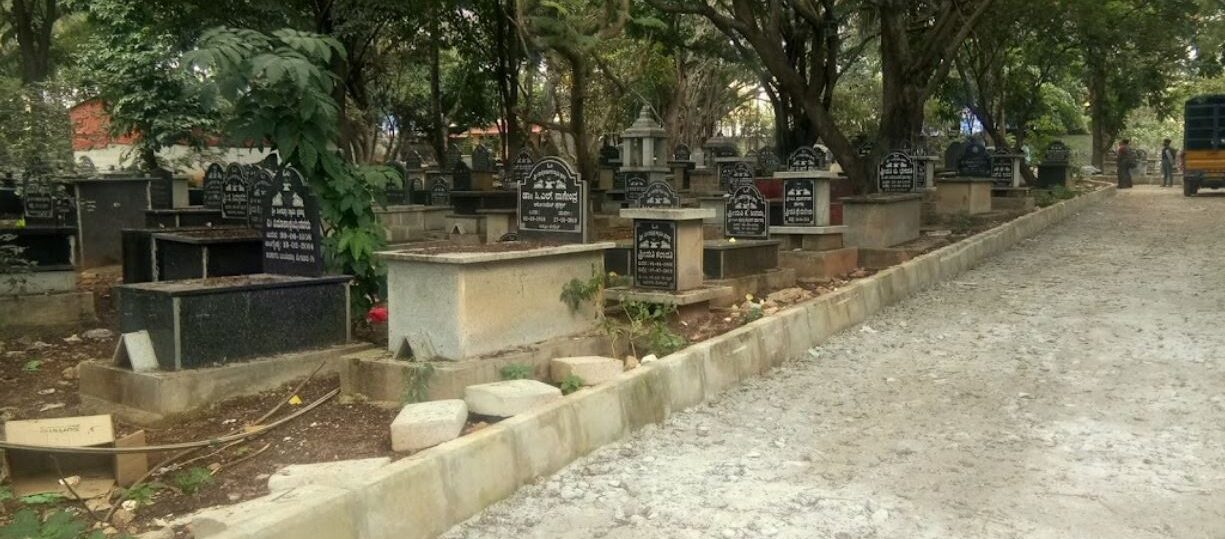
Cremation is customary for many Hindus, but it is not the only recognised funeral practice. Several Dharmaśāstra passages direct that very young children be buried rather than cremated. In some renunciant orders, a Sanyasi is buried in Bhu-Samadhi because the person has left household ritual obligations behind. Communities such as many Lingayats follow burial as part of their own religious tradition. Historic Jal-Samadhi, involving the body and water, is a separate practice and must not be confused with the immersion of ashes after cremation.
The age of the child and rites already performed are important in several traditional texts.
Some ascetic orders honour a Sanyasi through burial or a samadhi shrine instead of a household cremation rite.
Burial is an ordinary funeral custom in some Hindu communities and is not limited to children or monks.
Why is fire not used in every Hindu funeral?
In the ordinary Hindu funeral, Agni Sanskar (cremation) uses fire as part of the final rite, or Antyeshti. Rig Veda 10.16 addresses Agni as the fire associated with the deceased's passage to the ancestors.
Different rules developed for people whose religious stage or tradition was different. A renunciant may have relinquished household fires and family-centred rites, while infant funeral instructions reflect the child's age and stage of life. In Lingayat practice, burial is connected with devotion to Shiva and its own ritual understanding of death.
This does not mean that the deceased is considered impure, that every child is automatically exempt from cremation, or that burial always indicates spiritual liberation. Those are different religious questions.
What do Hindu scriptures actually say?
The Vedas, Smritis and Puranas are not interchangeable sources. Their funeral passages must be understood in context; they do not produce one uniform burial rule for every Hindu family.
Rig Veda: fire and earth
Rig Veda 10.16 addresses the cremation fire, while 10.18.10 invokes Mother Earth. The latter verse is often linked to burial imagery, although some Grihya Sutra ritual interpretations apply it to the burial of collected bones after cremation. It cannot alone prove that every body was buried.
Manusmriti: young children
Manusmriti 5.68–69 describes burial without cremation for a child who dies before completing two years. Verse 5.70 discusses water offerings for children under three and makes qualifications involving teething and the naming ceremony. Traditional commentators disagree about some details.
Yajnavalkya Smriti
Yajnavalkya Smriti 3.1 directs burial for a child younger than two and discusses the absence of water offerings. Its later commentary considers distinctions based on age and earlier rites. This is a textual prescription, not a modern law governing every family.
Garuda Purana: child funeral rites
Accounts of childhood death and funeral rites occur in the Garuda Purana. A passage in the Uttara Khanda's discussion of rites for children describes burial for very young children. Chapter numbering and wording differ between editions, so the relevant passage should be checked against the family's chosen recension.
Three different reasons for burial
Select a tradition. The explanation changes without leaving the page.
Child burial follows age-specific ritual directions
Several Dharmaśāstra sources set apart children who die in early infancy. The relevant verses refer to age and rites such as naming or tonsure, and later interpreters do not always agree. The family should follow its own tradition with guidance from a knowledgeable priest.
Agni Sanskar, Bhu-Samadhi and Jal-Samadhi
These terms describe different funeral practices. In particular, Jal-Samadhi refers historically to the disposition of a body in water; it is not the same as Asthi Visarjan after cremation.
Agni Sanskar
Cremation by fire. The usual Hindu funeral method for many householders, with rites varying by community, region and family.
Bhu-Samadhi
Burial or interment in the earth, including the samadhi burial of some ascetics and the burial customs of certain communities.
Jal-Samadhi
Historic water burial associated with some ascetic orders. It is not a general Hindu funeral requirement, and present-day water-protection rules must be respected.
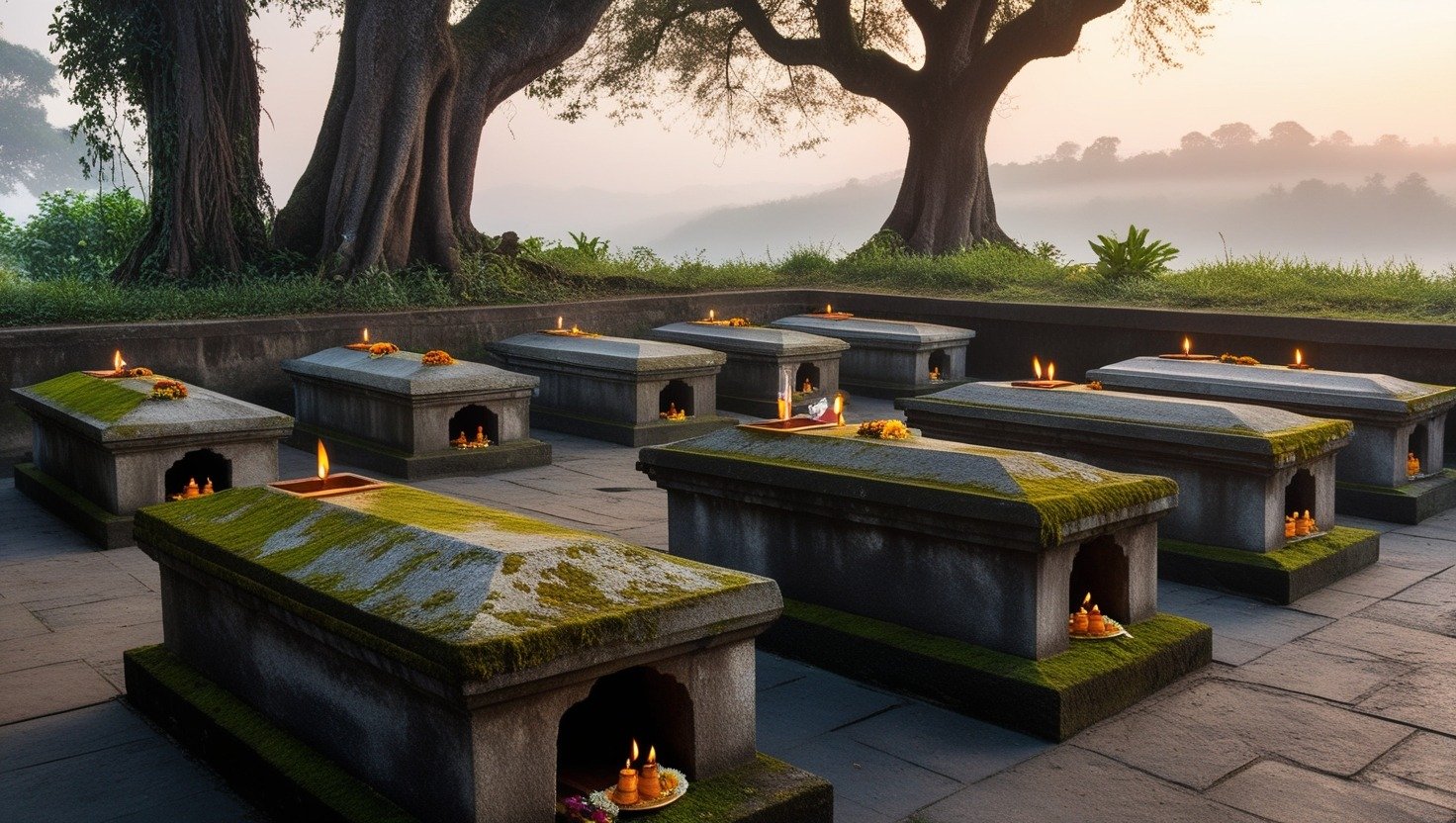
The word “Samadhi” has more than one meaning
It can refer to a state of meditative absorption, the passing of a revered ascetic in devotional usage, or the tomb-shrine marking a teacher’s final resting place.
What families should confirm
Religious custom and burial-ground permission are separate questions. Burial should take place only in a site authorised or lawfully permitted for that purpose.
- Confirm the family's practice. Speak with the family priest, guru's order, matha or community elder about the correct funeral method and rites.
- Confirm a lawful burial location. Check whether the site accepts the relevant form of Hindu burial or samadhi and whether any booking or local permission is required.
- Prepare the death records. Obtain medical certification, release papers and any documents required by the local burial authority. Police or postmortem clearance may apply in medico-legal cases.
- Agree on the actual arrangements. Confirm transport, ceremony, grave preparation, permitted memorialisation and the procedure for recording the burial.
Documents are not interchangeable
A Medical Certificate of Cause of Death (MCCD), where applicable, records the medical cause. The death certificate issued through civil registration is a different record.
What the burial-ground office accepts at the time of burial depends on the local process. Do not assume a single identical document list applies throughout India.
For an unnatural or suspicious death: follow police and medico-legal release directions before making final arrangements.
Questions about Hindu burial customs
Are all Hindus required to be cremated?
No. Cremation is widespread, but scriptural, monastic and community traditions also recognise burial in specified circumstances. The applicable practice depends on the deceased's age, religious order, community and family custom.
At what age do Hindu scriptures recommend burial for a child?
Manusmriti 5.68–69 and Yajnavalkya Smriti 3.1 discuss burial for children younger than two years. Other instructions address teething, naming and later rites, so the passages should not be converted into a single rule covering every child in every Hindu community.
Why are Sanyasis sometimes buried in a sitting position?
In some monastic traditions, a renunciant is regarded as having left household ritual obligations and the body may be buried in a meditative posture. The method is lineage-specific; some ascetics are cremated instead.
Why do many Lingayats bury their deceased?
Burial is a longstanding custom in much of the Lingayat tradition, connected to worship of Shiva and the Ishtalinga. Specific rites and the positioning of the body differ by family and local practice.
Is Bhu-Samadhi the same as Jal-Samadhi?
No. Bhu-Samadhi is interment in earth; Jal-Samadhi refers historically to burial or disposition in water in some ascetic traditions. Modern restrictions and environmental responsibilities affect the latter.
Is Jal-Samadhi the same as Asthi Visarjan?
No. Asthi Visarjan is the ritual immersion of cremated bone remains following cremation. Jal-Samadhi historically referred to disposition of an uncremated body in water, which must not be presumed permissible today.
References used in this guide
- Rig Veda 10.16 and 10.18.10 — funeral fire and earth verses; interpretation of 10.18 varies with ritual context.
- Manusmriti 5.68–70 and Medhatithi's commentary — infant burial and qualifications relating to rites for children.
- Yajnavalkya Smriti 3.1–2, with Mitakshara commentary — infant burial and funeral rites.
- Garuda Purana, Uttara Khanda, children's funeral-rite passages — chapter division varies by edition.
- Mark McLaughlin, “Tracing the Roots of Samādhi Burial Practice,” Journal of Hindu Studies 14(1), 2021, pp. 8–26.
- International Committee of the Red Cross, Hindu Management of the Dead and COVID-19 (2020) — overview of diverse Hindu funeral practices.
- National Mission for Clean Ganga and Ministry of Jal Shakti statements (2021) on preventing disposal of dead bodies in rivers.
