Sacred Rivers, Sangams & Tirthas for Asthi Visarjan in India
From Haridwar and Prayagraj to Kashi, the Godavari, Cauvery and southern coasts: explore pilgrimage places, their river geography, ancestral-rite traditions and what to confirm before carrying cremated remains.
Where can Asthi Visarjan be performed in India?
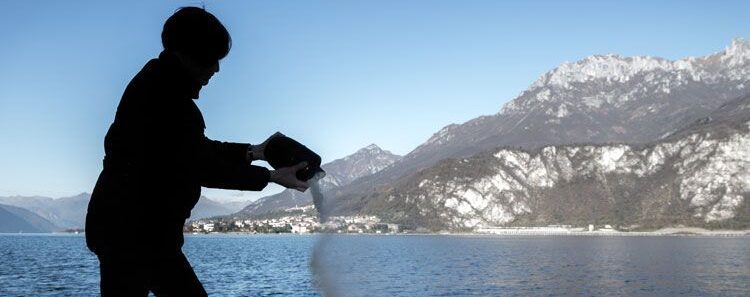
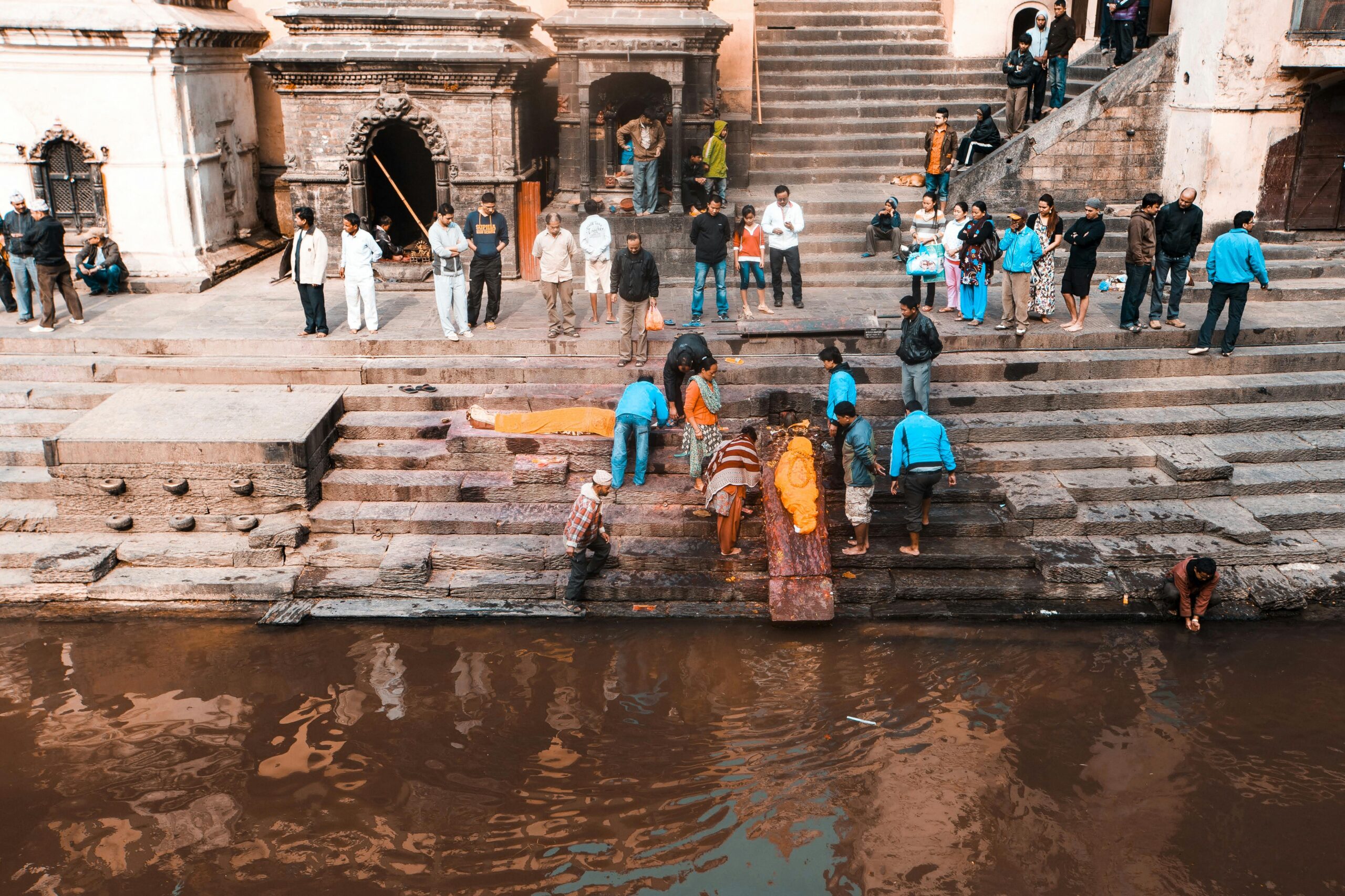
Asthi Visarjan—the immersion of cremated bone remains—is traditionally associated with sacred flowing waters, especially the Ganga. Families also visit recognised river confluences, pilgrimage ghats and coastal tirthas according to their own tradition. The best-known choices include Haridwar, Prayagraj, Varanasi, Garhmukteshwar, Nashik, Srirangapatna, Rameswaram and Varkala.
Not every sacred lake, temple tank, confluence or bathing ghat is an authorised place for immersion. Confirm the exact site with the local administrator and priest. The map below marks pilgrimage localities, not official permissions.
Physical confluence
Two watercourses actually meet, such as Alaknanda and Bhagirathi at Devprayag.
Sacred Triveni
Some traditions count a third unseen or mythic stream. The sacred account is not necessarily a third mapped river.
Permitted immersion point
A local operator or authority must confirm where the ritual may be conducted safely and legally.
Where rivers meet, traditions meet
At Prayagraj, two visible rivers meet and a third belongs to sacred tradition. Other sangams are physical meetings of two or three named waterways. A confluence's religious importance does not by itself establish a permitted immersion bank.
Different rivers, different traditions
A Triveni Sangam is one kind of tirtha. Other families choose a historic ghat, a coastal pilgrimage, or a local river approved for the rite.
The Ganga and Yamuna physically meet; Saraswati is part of the sacred tradition.
Find on map ↗Ganga pilgrimage centres with different local ghats and operating arrangements.
See Uttar Pradesh & Uttarakhand ↗Rajasthan Tourism explicitly describes immersion of mortal remains at this confluence.
Find Rajasthan ↗Kerala Tourism documents Asthi immersion at Papanasam Beach.
Find Kerala ↗Asthi Visarjan & sacred-tirtha map of India
Select a pin, region or state. Every pin corresponds to an entry in the directory below. Some entries document ancestor worship rather than a verified ash-immersion facility; that distinction appears in each description.
Hover, tap or focus any gold marker for its name and details. Use + / − to zoom; drag the map when zoomed.
Find a place on the map
Prayagraj Triveni Sangam
Uttar Pradesh · Ganga–Yamuna confluence. Select any point to read its local note.
93 locations on this map
A map pin means the place is geographically identified. It does not establish current authorisation, a booking service or safe river access.
The water is meaningful; the exact bank still matters.
Some families travel to the Ganga. Others follow regional traditions at the Cauvery, Godavari, Narmada, Mahi or sea coast. The ritual should be coordinated with local safety and environmental rules, not simply performed at the nearest stretch of water.
What the Garuda Purana says about Asthi Visarjan
The scriptural passages help explain why the Ganga holds particular significance. They do not constitute a modern permit for every public waterbody in India.
Collecting the cremated bone remains
In a widely circulated English rendering of the Garuda Purana's funeral section, a chapter on collecting the bones describes gathering the remains after cremation, treating them respectfully and consigning them to the Ganga. The translation places this within the wider sequence of mourning rites. Its chapter and verse numbering depend on the edition.
Why the Ganga has a special place
The Agni Purana's passages on the Ganga and water offerings also express the religious merit associated with bones entering the river. These are theological claims within a living tradition, not scientific findings or a declaration that other Indian tirthas are invalid.
The five Panch Prayag confluences
Uttarakhand Tourism identifies five traditional confluences along the Alaknanda system. Their sacred status does not by itself make each confluence a public immersion facility.
Vishnuprayag
Alaknanda + Dhauliganga
Nandaprayag
Alaknanda + Nandakini
Karnaprayag
Alaknanda + Pindar
Rudraprayag
Alaknanda + Mandakini
Devprayag
Alaknanda + Bhagirathi
River order follows the Alaknanda downstream. At Devprayag the merged river is known as the Ganga.
Sacred confluences and Asthi Visarjan references, state by state
Browse 93 named localities, grouped into all 28 states and eight union territories. A location's presence means documented sacred geography or a known rite—not confirmed legal approval for immersion. Where reliable confirmation was unavailable, no location has been invented.
North26 mapped places
Delhi1 locations
Nigambodh Ghat Area, Delhi
Yamuna
Cremation-ground landmark, not proof of permission to immerse in the Yamuna.
Haryana3 locations
Pehowa Saraswati Tirth
Saraswati Tirth
Government records Pind Daan and Shraddha here; water immersion is a separate question.
Kurukshetra Brahma Sarovar
Brahma Sarovar
Pilgrimage tank; do not presume immersion in the tank is allowed.
Kapal Mochan, Yamunanagar
Kapal Mochan tirth ponds
Pilgrimage ponds; obtain local ritual and environmental permissions.
Himachal Pradesh1 locations
Tattapani, Sutlej
Sutlej
Pilgrimage riverbank; steep current and dam-controlled flows require care.
Jammu and Kashmir1 locations
Devika River, Udhampur
Devika
Sacred local river tradition; verify designated facilities and legal conditions.
Ladakh1 locations
Sindhu Ghat, Leh
Indus
A notable Indus pilgrimage site; river immersion permission is not established.
PunjabLocal confirmation required
A public, designated Asthi Visarjan location could not be independently established from the references reviewed for this directory. Ask the relevant municipality, temple administration or district authority before choosing a waterbody. No pin is placed rather than assigning an unverified site.
Uttarakhand10 locations
Haridwar Ganga Ghats
Ganga
Har Ki Pauri area is sacred; use only locally permitted immersion points.
Kankhal Ganga Area
Ganga
Haridwar region alternative; verify assigned ritual bank.
Rishikesh Triveni Ghat
Ganga
Named Triveni Ghat on the Ganga, not evidence of three visibly meeting rivers.
Devprayag
Alaknanda · Bhagirathi
The rivers join here to form the Ganga.
Rudraprayag
Alaknanda · Mandakini
One of the five Panch Prayag confluences.
Karnaprayag
Alaknanda · Pindar
One of the five Panch Prayag confluences.
Nandaprayag
Alaknanda · Nandakini
One of the five Panch Prayag confluences.
Vishnuprayag
Alaknanda · Dhauliganga
One of the five Panch Prayag confluences.
Bageshwar Sangam
Saryu · Gomti
Kumaon pilgrimage confluence; mountain-river safety and permits vary.
Gangotri Bhagirathi Ghats
Bhagirathi
High-altitude pilgrimage site; seasonal and environmental constraints apply.
Uttar Pradesh9 locations
Prayagraj Triveni Sangam
Ganga · Yamuna · invisible Saraswati tradition
The district administration identifies the confluence and boat access.
Varanasi Ganga Ghats
Ganga
Kashi pilgrimage stretch; do not assume every cremation or bathing ghat permits immersion.
Garhmukteshwar Brijghat
Ganga
District administration identifies Brijghat on the Ganga.
Ayodhya Saryu Ghats
Saryu
Sacred Ayodhya riverfront; local facilities determine ritual access.
Mathura Vishram Ghat
Yamuna
Yamuna pilgrimage steps; current immersion arrangements need confirmation.
Chitrakoot Ram Ghat
Mandakini
Cross-state pilgrimage area; see also its Madhya Pradesh context.
Bithoor Brahmavart Ghat
Ganga
Historically significant Ganga pilgrimage; verify current local requirements.
Naimisharanya Chakratirth
Chakratirth water body
Pilgrimage tank and sacred rites; immersion in tank is not presumed.
Vindhyachal Ganga Ghats
Ganga
Temple-city riverbank; ask where immersion is currently allowed.
ChandigarhLocal confirmation required
A public, designated Asthi Visarjan location could not be independently established from the references reviewed for this directory. Ask the relevant municipality, temple administration or district authority before choosing a waterbody. No pin is placed rather than assigning an unverified site.
West15 mapped places
GoaLocal confirmation required
A public, designated Asthi Visarjan location could not be independently established from the references reviewed for this directory. Ask the relevant municipality, temple administration or district authority before choosing a waterbody. No pin is placed rather than assigning an unverified site.
Gujarat5 locations
Somnath Triveni Sangam
Hiran · Kapila · Saraswati tradition
Gujarat Tourism identifies the Triveni confluence near the Arabian Sea.
Chandod–Karnali
Narmada · Orsang area
Traditional Narmada pilgrimage corridor; confirm access to the particular sangam ghat.
Bharuch Narmada Ghats
Narmada
Sacred riverfront in the Narmada's lower course; check local designated point.
Siddhpur Bindu Sarovar
Bindu Sarovar
Matru Shraddha centre; not evidence that lake-water ash immersion is permitted.
Dwarka Gomti Ghat
Gomti / Arabian Sea
A recognised pilgrimage waterfront; confirm locally where immersion can occur.
Maharashtra8 locations
Nashik Ramkund
Godavari
Government tourism confirms Ramkund on the Godavari.
Trimbakeshwar Kushavart Tirtha
Godavari pilgrimage origin
Sacred kund and ancestor-rite area; check whether immersion uses the tank or a designated ghat.
Pune Mula–Mutha Sangam
Mula · Mutha
Named urban confluence; water conditions and civic rules must be checked.
Alandi Indrayani Ghats
Indrayani
Pilgrimage riverbank near Dnyaneshwar Samadhi; confirm a permitted point.
Pandharpur Chandrabhaga Ghat
Bhima / Chandrabhaga
Vitthal pilgrimage riverfront; seasonal flow and access vary.
Nanded Godavari Ghats
Godavari
Pilgrimage-city Godavari reach; ask for the current designated immersion area.
Wai Krishna Ghats
Krishna
Historic Krishna River steps; current immersion access must be confirmed.
Kolhapur Panchganga Ghat
Panchganga
Local sacred riverfront; no universal permission is implied.
Rajasthan2 locations
Beneshwar Sangam
Mahi · Som · Jakham
Rajasthan Tourism specifically describes immersion of mortal remains at Beneshwar.
Pushkar Sarovar
Pushkar Lake
Famous pilgrimage lake; investigate current restrictions before any immersion.
Dadra and Nagar Haveli and Daman and DiuLocal confirmation required
A public, designated Asthi Visarjan location could not be independently established from the references reviewed for this directory. Ask the relevant municipality, temple administration or district authority before choosing a waterbody. No pin is placed rather than assigning an unverified site.
Central8 mapped places
Chhattisgarh2 locations
Rajim Triveni Sangam
Mahanadi · Pairi · Sondur
Recognised three-river pilgrimage confluence; confirm sanctioned immersion area.
Sirpur Mahanadi Riverfront
Mahanadi
Historic pilgrimage landscape; a named riverfront, not verified immersion permission.
Madhya Pradesh6 locations
Ujjain Ram Ghat
Kshipra
Kumbh pilgrimage riverfront; confirm the permitted immersion point.
Omkareshwar Narmada Ghats
Narmada
Jyotirlinga pilgrimage town on Narmada Island.
Maheshwar Narmada Ghats
Narmada
Well-known Narmada pilgrimage steps; river access rules vary.
Amarkantak Narmada Kund
Narmada origin area
Source-area pilgrimage kund; do not presume ash immersion into protected tanks.
Narmadapuram Sethani Ghat
Narmada
Established riverfront pilgrimage; confirm the appropriate ghat.
Chitrakoot Ramghat
Mandakini
Shared Madhya Pradesh–Uttar Pradesh pilgrimage region; ritual usage varies.
South30 mapped places
Andhra Pradesh4 locations
Antarvedi Sangam
Vasishta Godavari · Bay of Bengal
The Godavari distributary meets the sea; identify the permitted ritual access point locally.
Rajamahendravaram Pushkar Ghats
Godavari
The Godavari's established pilgrimage riverfront; confirm the current immersion platform.
Vijayawada Krishna Ghats
Krishna
Ask the municipality which Krishna River ghat currently accepts the rite.
Srisailam Patala Ganga
Krishna reservoir reach
Temple-side pilgrimage water; reservoir access and immersion permission must be checked.
Karnataka6 locations
Paschima Vahini, Srirangapatna
Cauvery
Established Cauvery ritual landscape; confirm a permitted bank, not the bird sanctuary.
T. Narasipura Triveni Sangama
Cauvery · Kapila · Spatika tradition
Kabini/Kapila joins the Cauvery here; third stream is part of local sacred tradition.
Bhagamandala Triveni Sangama
Cauvery · Kannike · Sujyothi tradition
Pilgrimage confluence in Kodagu; immersion permission may differ from ritual bathing.
Kudalasangama
Krishna · Malaprabha
Major confluence and Basavanna pilgrimage centre; confirm approved ritual location.
Gokarna Koti Tirtha
Koti Tirtha tank / coast
Pilgrimage tank and nearby sea; sacredness does not establish water-immersion permission.
Sringeri Tunga River Ghats
Tunga
Temple town riverbank; enquire locally before taking remains into the water.
Kerala6 locations
Varkala Papanasam Beach
Arabian Sea
Kerala Tourism explicitly records the immersion of cremated remains here.
Thirunavaya Bharathapuzha
Bharathapuzha
Important Bali and ancestral-offering site; actual immersion procedure needs local confirmation.
Aluva Periyar Banks
Periyar
Noted in Kerala Tourism's Karkidaka Vavu observances.
Thiruvallam Parasurama Temple
Karamana river region
Ancestor-rite centre near Thiruvananthapuram; verify local water access.
Aruvikkara Riverbank
Karamana
Regional Vavu Bali site; not a standing immersion authorisation.
Kozhikode Beach
Arabian Sea
Kerala Tourism lists the beach in ancestral-offering observances.
Tamil Nadu8 locations
Rameswaram Agni Theertham
Bay of Bengal
Sacred sea bathing and rites beside Ramanathaswamy temple; check permitted ash-immersion arrangements.
Kanyakumari Triveni Sangam
Three-seas meeting tradition
Government describes the three-sea confluence tradition.
Bhavani Kooduthurai
Cauvery · Bhavani · Amudha tradition
Sacred Sangameswarar confluence; confirm local ritual access.
Srirangam Amma Mandapam
Cauvery
Long-used ritual steps on the Cauvery; local rules apply.
Thiruvaiyaru Cauvery Ghats
Cauvery
Pilgrimage landscape on the Cauvery; check exact permitted access.
Mayiladuthurai Tula Kattam
Cauvery
Recognised Cauvery sacred-bathing area; immersion confirmation required.
Poompuhar Cauvery Mouth
Cauvery · Bay of Bengal
River-sea geography; exposed coast requires local advice.
Kodumudi Cauvery Ghats
Cauvery
Temple-associated river reach; not proof of designated immersion facilities.
Telangana6 locations
Kaleshwaram Triveni
Godavari · Pranahita · invisible stream tradition
Telangana Tourism confirms the Godavari–Pranahita meeting.
Basara Godavari
Godavari
Saraswati pilgrimage on the Godavari; confirm local arrangements.
Bhadrachalam Godavari Ghats
Godavari
Ram temple pilgrimage riverfront; changing flood levels are important.
Dharmapuri Godavari
Godavari
Sacred Godavari temple town; check exact immersion ghat.
Alampur–Somasila Region
Tungabhadra · Krishna area
Regional confluence pilgrimage corridor; check safe access and reservoir restrictions.
Kandakurthi Triveni
Godavari · Manjira · Haridra
Regional three-river confluence tradition; check the exact approach and permission.
PuducherryLocal confirmation required
A public, designated Asthi Visarjan location could not be independently established from the references reviewed for this directory. Ask the relevant municipality, temple administration or district authority before choosing a waterbody. No pin is placed rather than assigning an unverified site.
LakshadweepLocal confirmation required
A public, designated Asthi Visarjan location could not be independently established from the references reviewed for this directory. Ask the relevant municipality, temple administration or district authority before choosing a waterbody. No pin is placed rather than assigning an unverified site.
Andaman and Nicobar IslandsLocal confirmation required
A public, designated Asthi Visarjan location could not be independently established from the references reviewed for this directory. Ask the relevant municipality, temple administration or district authority before choosing a waterbody. No pin is placed rather than assigning an unverified site.
East11 mapped places
Bihar4 locations
Sonepur Harihar Kshetra
Ganga · Gandak
A documented sacred confluence; confirm current local river access.
Gaya Vishnupad & Falgu
Falgu
Widely associated with Pind Daan and Shraddha; these are distinct from Asthi Visarjan.
Patna Ganga Ghats
Ganga
Choose a locally permitted riverside ghat rather than assuming every step allows immersion.
Buxar Ramrekha Ghat
Ganga
Ganga riverfront pilgrimage; local immersion rules require confirmation.
Jharkhand1 locations
Rajrappa Sangam
Bhairavi · Damodar
Temple-associated confluence; ask local authorities about current river access.
Odisha3 locations
Puri Swargadwar Coast
Bay of Bengal
Major coastal funeral pilgrimage area; sea-entry rules and ritual zone must be checked.
Jajpur Baitarani
Baitarani
Pilgrimage river linked to ancestral rites; locate locally designated immersion area.
Cuttack Mahanadi Ghats
Mahanadi
Riverfront reference; not a verified public immersion counter.
West Bengal3 locations
Gangasagar / Sagar Island
Ganga/Hooghly estuary · Bay of Bengal
West Bengal Government identifies Gangasagar as a major pilgrimage island.
Kolkata Babughat
Hooghly
Central Kolkata riverfront; local immersion and pollution rules require checking.
Nabadwip–Mayapur Confluence
Bhagirathi · Jalangi
Sacred Vaishnava river setting; exact confluence and access depend on channel conditions.
North-East3 mapped places
Arunachal PradeshLocal confirmation required
A public, designated Asthi Visarjan location could not be independently established from the references reviewed for this directory. Ask the relevant municipality, temple administration or district authority before choosing a waterbody. No pin is placed rather than assigning an unverified site.
Assam2 locations
Sukreswar Ghat, Guwahati
Brahmaputra
Historic temple steps on the Brahmaputra; confirm designated immersion arrangements.
Tezpur Brahmaputra Riverfront
Brahmaputra
A riverfront reference, not an independently verified immersion facility.
ManipurLocal confirmation required
A public, designated Asthi Visarjan location could not be independently established from the references reviewed for this directory. Ask the relevant municipality, temple administration or district authority before choosing a waterbody. No pin is placed rather than assigning an unverified site.
MeghalayaLocal confirmation required
A public, designated Asthi Visarjan location could not be independently established from the references reviewed for this directory. Ask the relevant municipality, temple administration or district authority before choosing a waterbody. No pin is placed rather than assigning an unverified site.
MizoramLocal confirmation required
A public, designated Asthi Visarjan location could not be independently established from the references reviewed for this directory. Ask the relevant municipality, temple administration or district authority before choosing a waterbody. No pin is placed rather than assigning an unverified site.
NagalandLocal confirmation required
A public, designated Asthi Visarjan location could not be independently established from the references reviewed for this directory. Ask the relevant municipality, temple administration or district authority before choosing a waterbody. No pin is placed rather than assigning an unverified site.
SikkimLocal confirmation required
A public, designated Asthi Visarjan location could not be independently established from the references reviewed for this directory. Ask the relevant municipality, temple administration or district authority before choosing a waterbody. No pin is placed rather than assigning an unverified site.
Tripura1 locations
Tirthamukh, Dumbur Lake
Gomati source-area pilgrimage
Tripura Tourism records the Tirthamukh pilgrimage fair; immersion permission is unverified.
How Asthi Visarjan is generally arranged
The officiating priest determines the actual sequence according to family tradition. The stages below explain the practical work without prescribing one universal mantra or date.
Preparing the kalash with care
Asthi Visarjan may take place after travel and family arrangements. Keep the collected remains in a secure, clearly identified container, protected from moisture and accidental opening. Confirm the intended date and location with your family’s priest and the receiving ghat.
An earthen pot is customary in some families, but the accepted container and collection process depend on the crematorium, ritual tradition and travel arrangements.
Collect the remains
Confirm the crematorium's collection and release procedure. Handle the remains respectfully in a suitable container.
Choose a valid site
Agree on the tradition and check the locally permitted ghat, access point and water conditions.
Prepare the rite
Coordinate the priest, family participation and appropriate offerings. Materials vary by region.
Perform immersion
Follow the allowed method at the designated area. Do not enter swift currents or restricted waters.
Separate non-biodegradables
Keep bags, fabric, foil, plastic pots and decorations out of the river or sea.
Continue family rites
Pind Daan, Tarpan, Shraddha and memorial observances follow the relevant family tradition.
Plan travel correctly
Check transport of the urn, identification or cremation documents when required by the carrier or authority.
Confirm timing
Water levels, festivals, monsoon closures, local restrictions and priest availability may change the visit.
Tourism departments document spiritual importance, not necessarily approved ash-immersion access. Rules can differ even between two ghats on the same river.
Carry back synthetic cloth, urn packaging, flowers wrapped in plastic and other material. Comply with posted environmental rules and instructions of the ghat operator.
Questions families ask about Asthi Visarjan locations
What is the difference between Triveni Sangam and a regular river ghat?
A sangam is a meeting of rivers or waters. The word Triveni usually means a sacred meeting of three, although one stream may be an unseen element of local belief. A ghat is a stepped access point beside a river or waterbody and need not be at any confluence.
Is Prayagraj the only Triveni Sangam in India?
No. Prayagraj is particularly famous for the meeting of the Ganga and Yamuna with the traditionally invisible Saraswati. Other sacred places called Triveni include Somnath in Gujarat, T. Narasipura in Karnataka, Kaleshwaram in Telangana and the three-seas meeting tradition at Kanyakumari. These do not all have the same geography or rules.
Where is Asthi Visarjan commonly done in South India?
Families follow different traditions at the Cauvery basin, Rameswaram, Kanyakumari, the Godavari, and Kerala's Papanasam coast, among other sites. The directory distinguishes famous ritual places from locations whose actual immersion permissions need checking.
Can ashes be immersed at any sacred river, lake or temple tank?
No. A site may be sacred for bathing, Pind Daan or pilgrimage without permitting immersion of cremated remains. Ask the temple, municipality or ghat manager about the specific area, materials and procedure before entering the water.
Does the Garuda Purana require everyone to travel to Haridwar?
No such nationwide travel requirement should be inferred. A translated passage describes the religious importance of consigning remains to the Ganga. In practice, Hindu families follow regional traditions and advice from their priest. Other tirthas have their own histories.
Is Gaya mainly for Asthi Visarjan or Pind Daan?
Gaya's Vishnupad and Falgu area is especially associated with Pind Daan and Shraddha for ancestors. Some families combine several post-cremation rites during a pilgrimage, but Pind Daan and immersion are not interchangeable. Confirm the specific local ceremony and site.
What should we carry when travelling with cremated remains?
Keep the remains securely packed and carry the crematorium receipt or other release documentation if available. Travel operators or aviation authorities may request particular documents or packaging; confirm with the carrier directly before travel. Check the priest's required ritual items separately.
Can a priest perform the rite without every family member travelling?
Participation and delegation depend on the family tradition, the priest and what the local site permits. Establish who is acting as the principal ritual participant before arranging a visit; do not assume remote or proxy rites are accepted everywhere.
Why are some states shown without a location pin?
Because a safely usable, publicly documented immersion site could not be substantiated from the references used here. The absence of a pin does not mean that the state has no Hindu community or no local practice. It avoids presenting an unverified riverbank as an approved immersion site.
References used for the guide
These links are to government tourism or district administration material and scriptural translations. They establish geography, pilgrimage or ritual history—not blanket permission for ash immersion. There are no competing funeral-service links.
Map sites are an editorial selection of geographically identifiable pilgrimage locations, not an exhaustive register of authorised immersion ghats. Location coordinates are approximate. Last research check: October 2026. Current restrictions, boat operations, river conditions and fees must be confirmed locally.
Need help arranging Asthi Visarjan?
Swargayatraa can discuss priest coordination, ritual materials and travel or post-cremation arrangements according to the family's chosen destination. Site access and permissions must be confirmed before travel.