Public Municipal Burial Ground
Usually managed by a municipal body, local authority or allotted public system. It may accept families without private cemetery access, but space can be limited and temporary.
A simple guide for Indian families on burial ground permissions, cemetery timing, public and community burial rules, documents, grave availability, renewal, costs and city-wise practical issues.
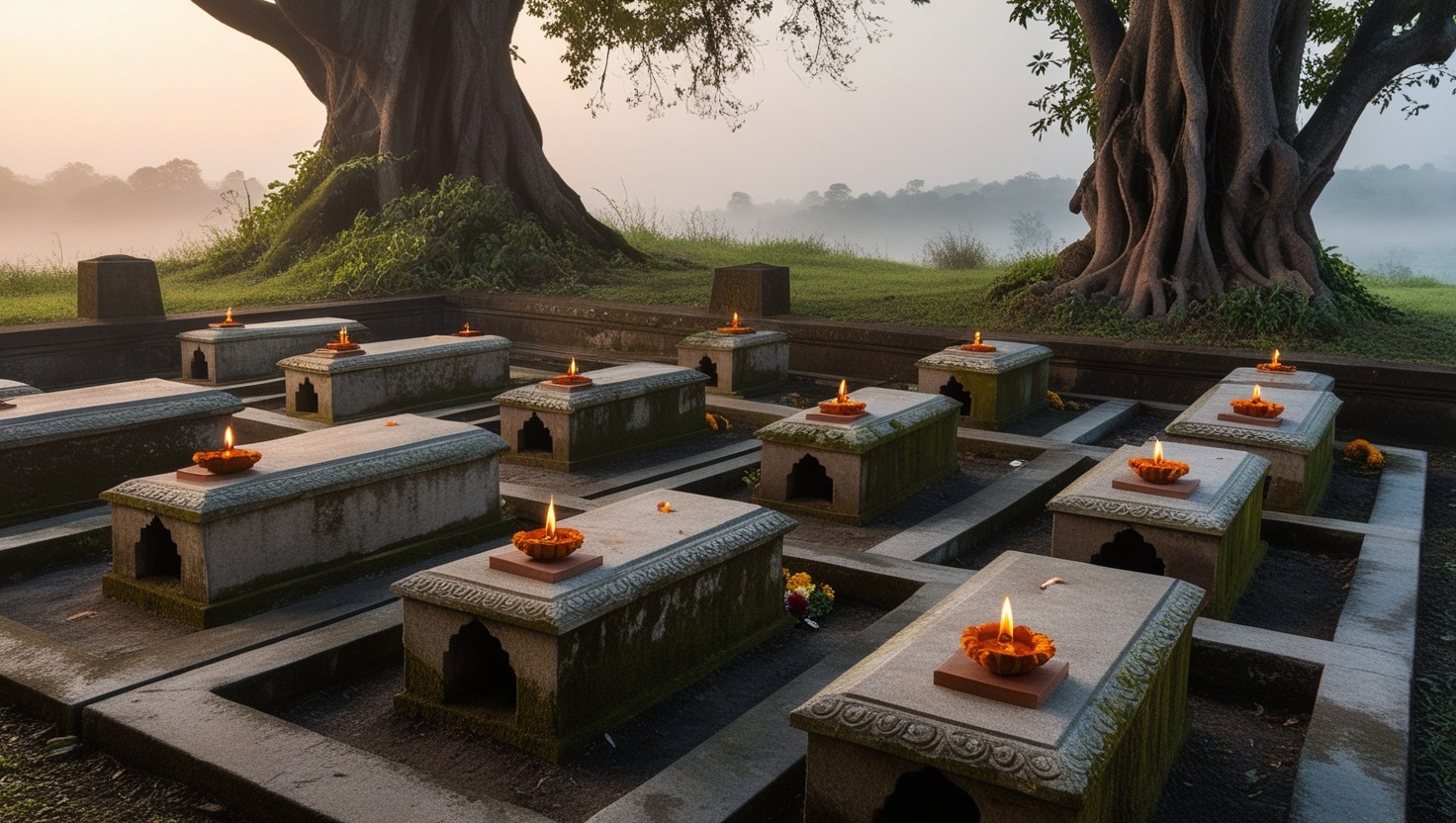
Before taking the body to a cemetery or burial ground, confirm whether the ground is open to your family, whether grave space is available, whether the grave is temporary or renewable, what documents are needed, what timing is allowed, and what total cost is expected.
In many Indian cities, permanent burial spots are limited. Some public burial grounds allow temporary allotment only. Some community burial grounds are restricted to local families, ancestral village members, religious bodies or registered community members.
If you are handling a burial arrangement now, use the links below to jump to the most urgent section.
Indian cities are growing quickly, but burial land is limited. In cities such as Mumbai, Pune, Bengaluru, Hyderabad, Delhi NCR and many North Indian cities, families may face difficulty finding a permanent burial spot, especially if they do not already belong to a local cemetery, church, mosque, community, village or trust-managed ground.
In many places, cremation is more common, so burial grounds may be fewer. Some grounds may have space only for children’s burials. Some public burial grounds may allow burial for a limited period and later reuse the space according to local ground rules.
This is why families should not depend only on Google Maps, an old phone number or word-of-mouth. The cemetery office or ground management must confirm permission before movement.
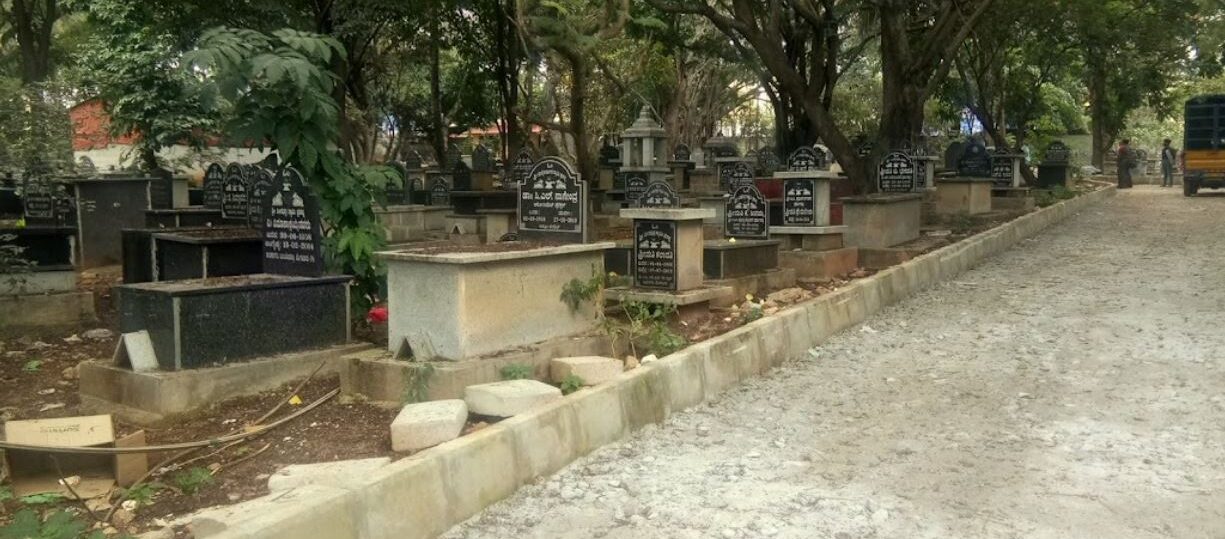
Most cemetery confusion happens because families assume all burial grounds work the same way. They do not.
Usually managed by a municipal body, local authority or allotted public system. It may accept families without private cemetery access, but space can be limited and temporary.
Managed by a church, mosque committee, religious body, caste group, local association or private trust. Outsiders may not always be allowed.
Some burial grounds are only for native village families or families with ancestral connection. Local approval may be needed.
Private land burial should not be done only on assumption. Local permission, health rules, panchayat or municipal approval may apply.
The correct question is: “Will this burial ground accept this deceased person, and how long will the grave be maintained?” This single question can prevent last-minute rejection, unnecessary transport, emotional stress and avoidable cost.
Burial ground shortage is not only a family problem. In some major cities and urban regions, courts, municipal bodies and governments have had to address cemetery and burial land pressure.
Reports have highlighted shortage of cemetery and burial ground space for Christian and Muslim communities in Mumbai.
Authorities may need to identify, hand over or develop reserved land before new burial spaces become usable.
Some cities have both public and private cemeteries, but access depends on management and eligibility.
Where land is limited, some grounds may follow temporary or renewable allotment systems.
Burial receipt, death papers and ground entry can be needed later for official certificate work.
Never move the body based only on assumptions. Confirm with the cemetery or municipal ground office.
Exact documents change by city, hospital, police station, burial ground and type of death. Keep originals, photocopies and phone photos ready.
For a deeper checklist, read: Documents Required After Death for Cremation & Body Transport in India.
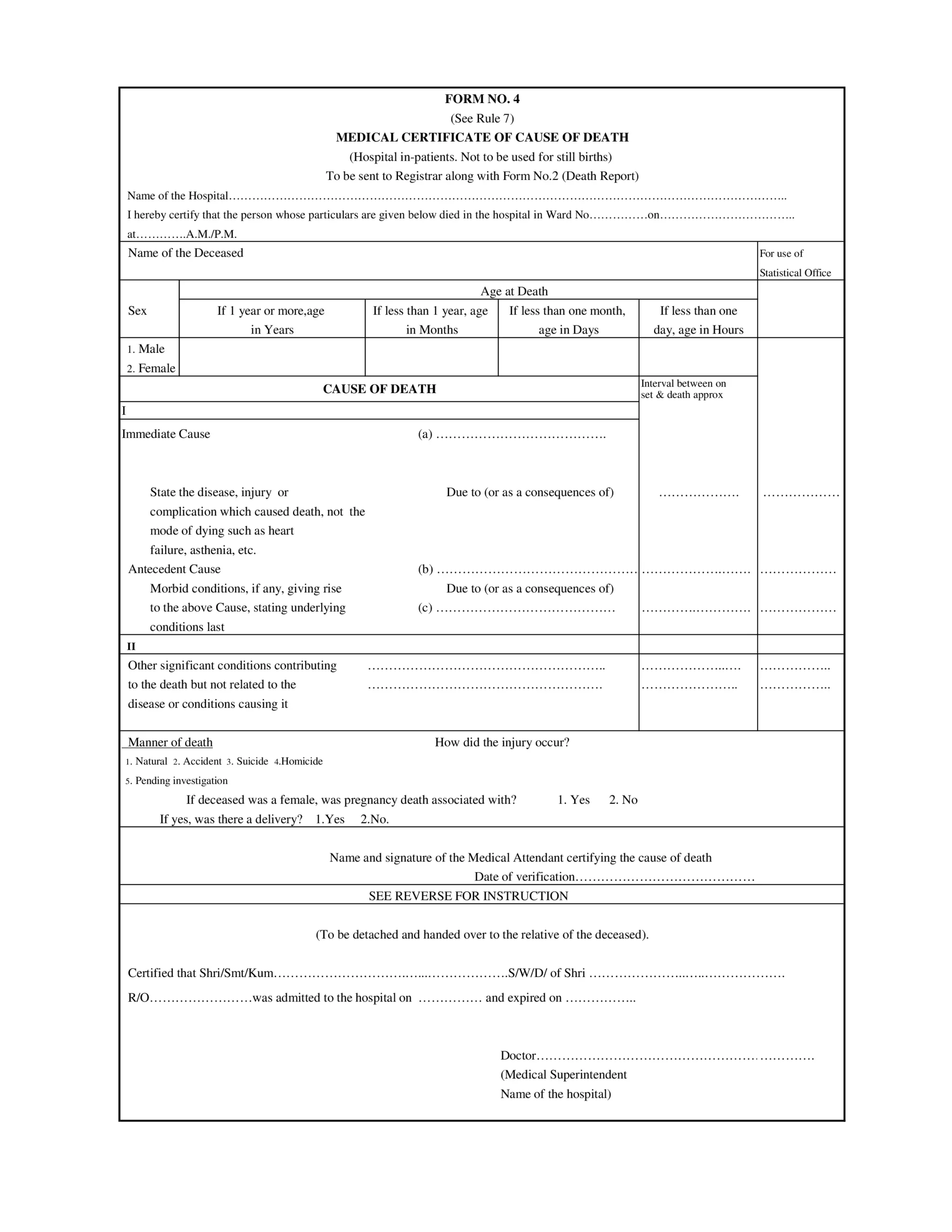
Used for hospital or institutional death documentation. It is sent to the Registrar with the death report where applicable.
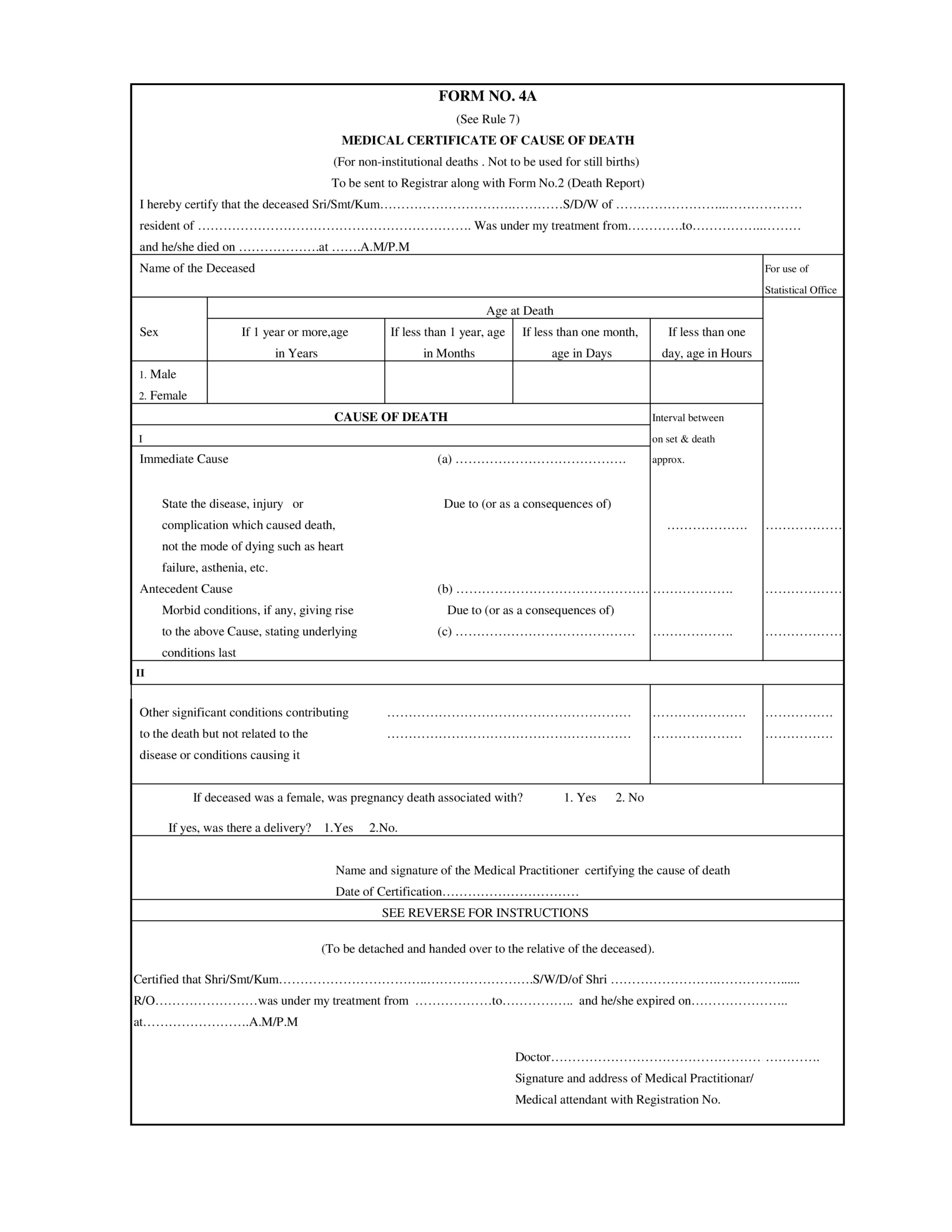
Used for non-institutional deaths, such as deaths outside hospital, depending on doctor certification and local procedure.
Many Indian cities are moving toward online death registration, online certificate downloads, digital records and slot-based systems for some death-care services. But this does not mean every cemetery has online burial booking.
Some municipal portals may support crematorium slots or death-certificate workflows, while burial ground permission may still be handled by ground staff, local office, cemetery committee or community management.
The safest approach is to check both: the municipal portal and the actual burial ground office.
Families often expect immediate burial. In practice, the ground may need staff, grave preparation, records, permission and documents before burial.
| Reason for delay | What usually happens | What family should do |
|---|---|---|
| No grave space ready | Staff may need time to identify or prepare a place. | Confirm space before vehicle movement. |
| Ground not open to outsiders | Management may ask for local, community or membership proof. | Ask eligibility clearly before going. |
| Documents incomplete | Burial may be stopped until MCCD, ID or police papers are ready. | Keep documents and phone photos ready. |
| Late evening arrival | Some grounds may not have office or digging staff available. | Ask whether evening burial is allowed. |
| Medico-legal death | Police, post-mortem or release papers may be required. | Do not move the body before clearance. |
| Rain or poor ground condition | Grave digging may take longer. | Arrange freezer box if waiting is expected. |
These notes are practical planning guidance. Actual permission, timing and cost depend on the specific burial ground.
Adult burial can become time-consuming if the family does not already have access to a known cemetery, church ground, mosque burial ground, community ground or ancestral burial place.
End-to-end adult burial support in Bengaluru may start around ₹25,000 depending on grave availability, staff, rituals, vehicle, materials, timing and freezer box requirement.
Bangalore body transport support →Some cemetery arrangements may be available for longer periods such as 3 to 5 years, depending on the ground. Renewal may be possible in selected cemetery systems.
Practical private or community cemetery arrangements can become costly and may move toward ₹1 lakh in some cases. Treat this as an illustrative planning range, not a fixed quote.
Hyderabad body transport support →Mumbai has serious burial space pressure. Families should not move the body without confirmation from the cemetery office, religious body, trust or municipal contact.
Ask whether the cemetery is public or private, whether it accepts the deceased’s community, whether space is available and whether the grave is temporary or renewable.
Mumbai body transport support →Burial space availability can vary by community and locality. Some communities may have specific burial grounds, but space pressure can still arise.
Always confirm with the local cemetery office, community committee or municipal authority before arranging transport.
Pune body transport support →In many North Indian cities, cremation is more common among the majority population, so burial facilities depend heavily on religion, community, locality and municipal planning.
Muslim, Christian, Lingayat, tribal and other burial-practising communities may have designated grounds, but many are community-managed.
Delhi IGI body transport support →Many cities have separate sections or arrangements for children’s burial. Cost and availability vary widely by city, ground and management.
Child burial may sometimes be easier than adult burial because less space is required, but families should still confirm ground rules.
Burial cost is not fixed across India. It changes by city, cemetery type, duration, rituals, vehicle, staff, freezer box, documentation and grave construction.
| Situation | Planning guidance | What changes the cost |
|---|---|---|
| Bengaluru adult burial with support | May start around ₹25,000 | Ground availability, rituals, vehicle, labour, materials, timing, freezer box. |
| Hyderabad selected cemetery arrangements | Can move toward ₹1 lakh in some cases | Duration, renewal, private/community cemetery rules, grave preparation. |
| Children’s burial | Varies by city and ground | Age, space, section, local policy and cemetery charges. |
| Public municipal burial | May be lower but availability may be limited | Temporary allotment, labour, documentation, local-body rules. |
| Community cemetery | Depends on eligibility and management | Membership, donation, committee permission, duration and renewal. |
| Grave construction or memorial slab | Extra cost | Material, size, permission, labour and ground rules. |
For broader funeral transport pricing, read: Dead Body Transport Cost 2026: Road & Air Charges Guide.
This is the practical order families should follow. The process may change based on city, cemetery, religion, police requirement and local authority rules.
Collect MCCD, hospital papers, ID proof and police papers if required.
Check whether it is public, private, community, trust, village or ancestral.
Ask clearly whether the deceased can be buried there.
Check grave availability, office hours, grave digging and ritual timing.
Use hearse, ambulance, freezer box or mortuary depending on delay and distance.
Take cemetery slip, burial receipt or acknowledgement and keep it safely.
Burial can be delayed due to documents, relatives arriving late, grave availability, cemetery timing, police process or city transfer. Preservation should be planned early.
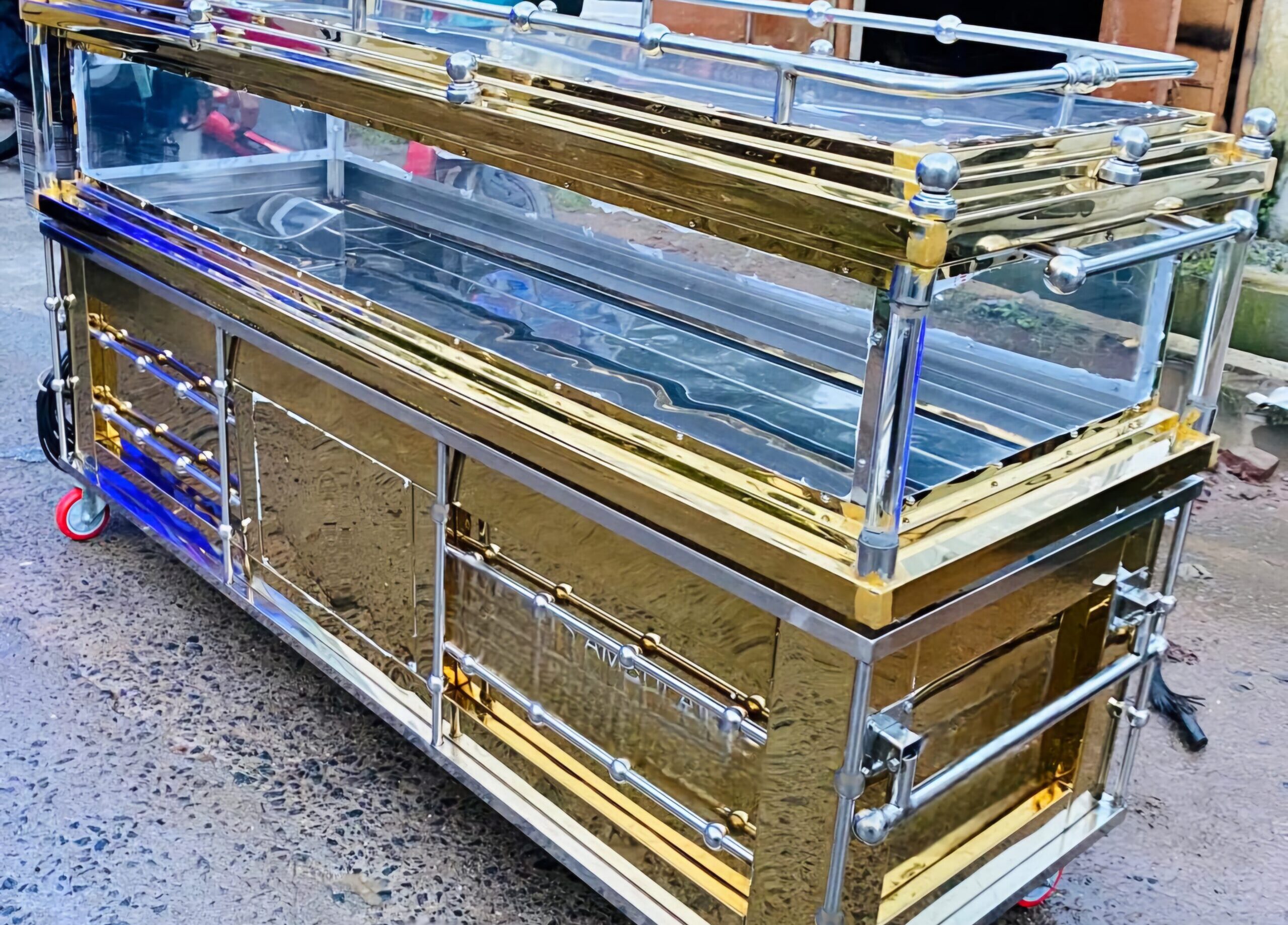
Useful for short-term preservation at home, hospital, funeral hall or cemetery waiting location when relatives or documents are delayed.
Read freezer box guide →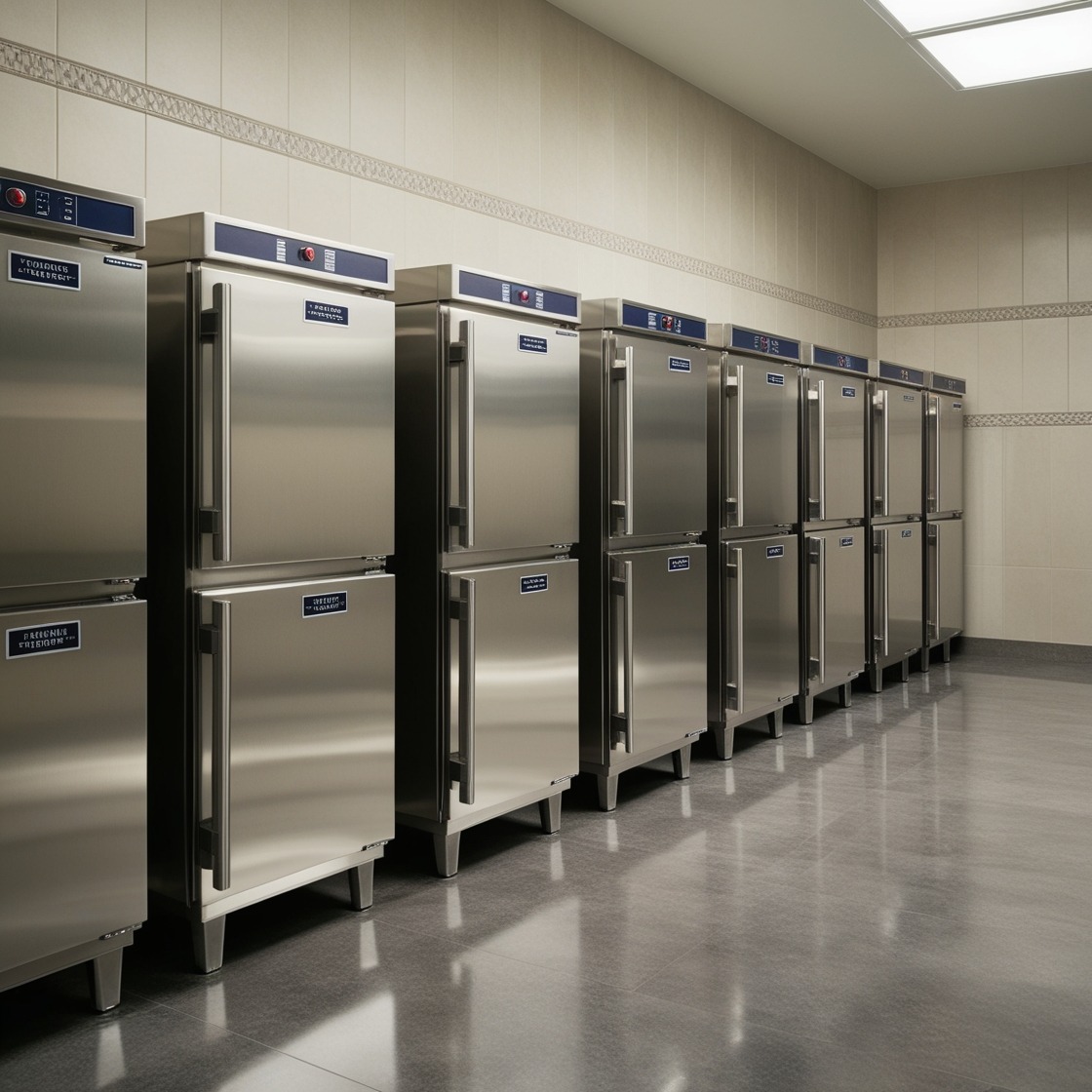
Better when waiting may be longer, documents are pending, police process is involved or transport will be arranged the next day.
Freezer box or mortuary van? →Cemetery construction depends fully on the burial ground’s rules. Some grounds allow a simple name plate. Some allow stone slabs. Some allow small construction only after approval. Some may not allow permanent structures if the grave is temporary or reusable.
In Bengaluru and other large cities, cemetery construction may be allowed in some places at extra cost, but it does not always guarantee permanent retention. Families may need to stay in contact with cemetery management and renew whenever the permitted period expires.
Many families prefer to take the deceased to a native village, ancestral property or long-standing family burial place. This can be emotionally meaningful and sometimes easier to maintain than a temporary city grave.
But even native-place burial should be planned properly. Confirm local permission, family or community approval, transport time, preservation requirement and whether the place is suitable for burial.
If the body must be moved to another city or state, plan documents, embalming, coffin packing, air cargo or road hearse based on distance and timing.
Swargayatraa Funeral Services can help families with burial ground coordination, cemetery confirmation, freezer box, hearse van, ambulance, documents guidance, dead body transport by road or air, rituals and final rites support where service is available.
Families can refer to the Civil Registration System for birth and death registration information, CRS FAQ on 21-day reporting, Form 4 Medical Certificate of Cause of Death, MCCD Form 4 and Form 4A listings, and city-specific municipal portals such as BBMP crematorium online booking where applicable.
Burial ground rules, cemetery permissions, timing, documents, renewal and costs vary by city, local body, religious trust, community management and cemetery office. Always confirm current requirements before moving the body.
No. Many burial grounds are public, but many others are controlled by communities, trusts, churches, mosques, village committees, local associations or private cemetery managements. Always confirm eligibility before moving the body.
Not always. In many major cities, permanent burial space is limited. Some public burial grounds may allow temporary allotment only, and the grave may later be reused or renewed depending on local rules.
Usually, families need the Medical Certificate of Cause of Death, hospital death papers if applicable, deceased ID proof, applicant ID proof, address proof and burial ground receipt. Police documents may be required in medico-legal cases.
Form 4 is the Medical Certificate of Cause of Death used for hospital or institutional deaths. It is generally sent to the Registrar along with the death report where applicable.
Form 4A is the Medical Certificate of Cause of Death used for non-institutional deaths, such as deaths outside hospital, depending on doctor certification and local procedure.
Yes. It is important proof that burial was completed. It may help later for death certificate work, municipal proof, renewal questions and family records.
Do not assume private land burial is automatically allowed. Local permission, land-use rules, public health concerns, panchayat or municipal approval and law-and-order issues may apply.
The usual reporting period for death registration is 21 days from the date of death. If delayed, families should follow the delayed registration process prescribed by the local registrar or municipal authority.
For Swargayatraa-assisted adult burial arrangements in Bengaluru, practical end-to-end service planning may start from around ₹25,000. The final cost depends on ground availability, rituals, vehicle, staff, materials, freezer box, timing and cemetery rules.
Some cemetery arrangements in Hyderabad may involve longer grave duration, renewal options, private or community management charges, grave preparation and additional service costs. In selected cases, planning costs can move toward ₹1 lakh depending on the cemetery and requirement.
Many cities have child burial arrangements or separate sections, but availability and cost vary by ground. Families should confirm directly with the cemetery or burial ground.
Check another public burial ground, speak to the municipal office, ask the community trust for alternatives, or consider transporting the body to the native place if the family has burial rights there.
Not always. Construction, stone slab or grave marking does not automatically guarantee permanent retention. The cemetery’s written rules on duration and renewal matter more.
Yes. If documents, cemetery permission, family travel or burial timing causes delay, a freezer box helps preserve the body respectfully until burial.
Death registration is generally connected to the place where the death occurred. Burial may happen in another city, but the family should follow registration through the correct local registrar or municipal authority where death occurred.
Yes. Many cities are moving toward digital death registration and slot-based death-care systems. But cemetery permission may still be handled offline by ground staff, local offices, committees or trust managements.
Call the cemetery or burial ground office and confirm eligibility, space availability, timing, documents and total cost. Do not move the body only because a cemetery is nearby or visible on Google Maps.
Yes. Swargayatraa can help with cemetery confirmation, burial ground coordination, freezer box, hearse van, ambulance, documents guidance, body transport and final rites support where service is available.
This guide is for general information and practical family guidance only. Burial ground rules, cemetery permissions, grave duration, renewal process, online booking, documents and costs vary by city, local body, religious trust, community management and cemetery office. Prices mentioned are illustrative planning ranges, not fixed legal or municipal charges. This article does not replace legal advice or official instructions from the local municipal authority, police, registrar or cemetery management.