Natural Death in Hospital
Usually the simplest case. Collect hospital death summary, medical certificate, ID proofs and mortuary release. Police papers may be needed only if the case is medico-legal or required by authorities.
A simple, step-by-step guide for families when death happens away from the home city — hospital release, police NOC, Form 4/Form 4A, freezer box, embalming, air cargo, road hearse, cremation setup and costs.
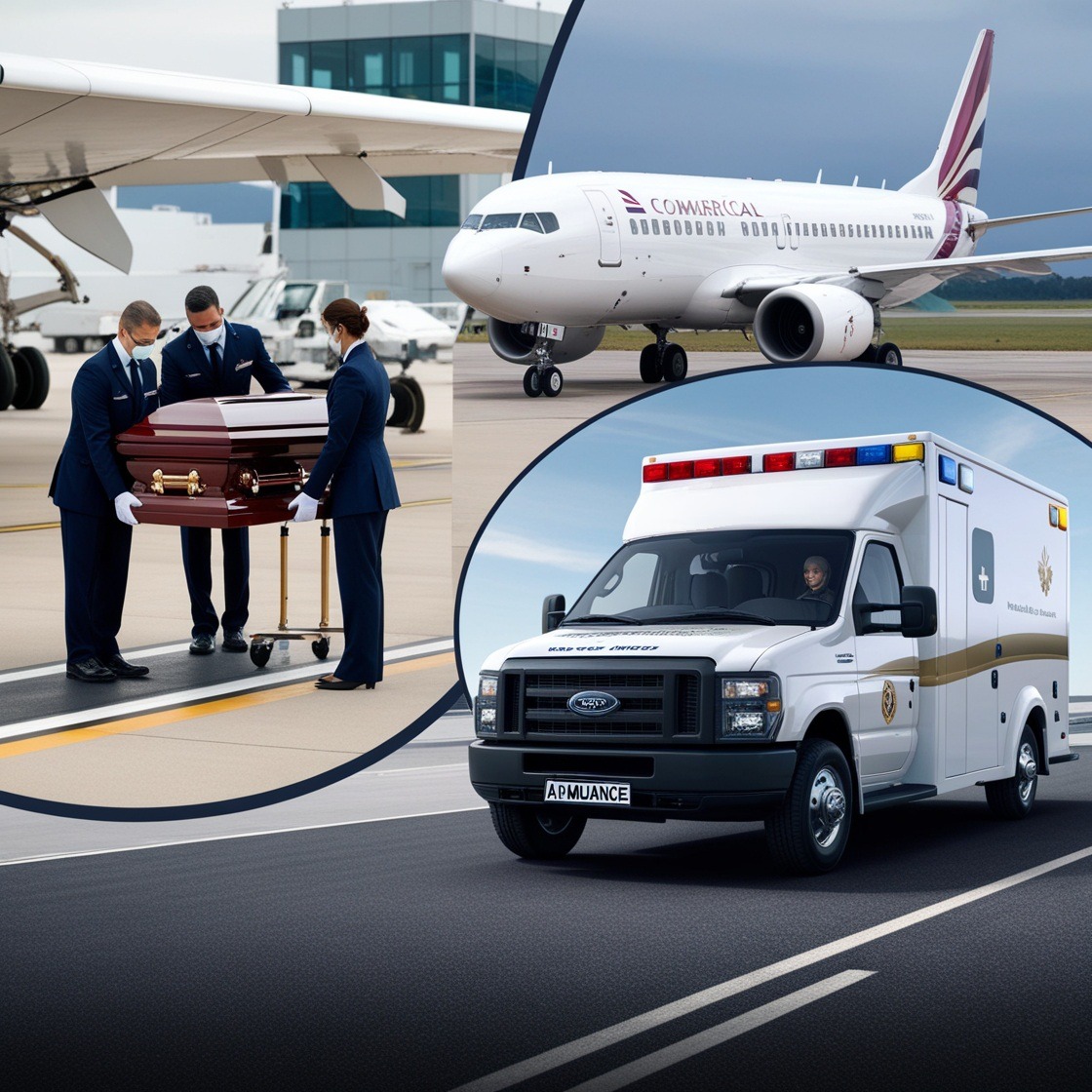
First, get medical confirmation of death. Then check whether the case is natural, sudden, accidental, suspicious or medico-legal. After that, collect the documents, preserve the body using freezer box, mortuary or embalming, and decide whether the body should go by air, road, or whether cremation should be done in the city where death happened.
For long-distance movement, air transport is usually faster. For nearby districts, villages far from airports, or routes where flight cargo is not practical, road hearse or freezer-supported vehicle may be better. For delays, preservation should be planned early.
If you are reading this during an emergency, use the jump links below instead of scrolling through the full page.
Outstation death cases are difficult because the family usually needs help in two places at the same time — the city where death happened and the destination city where final rites will be done.
Swargayatraa Funeral Services helps families coordinate hospital release, freezer box, mortuary support, embalming, coffin packing, airport cargo, road hearse, destination receiving, cremation, burial and final rites support across major Indian cities.
With our main coordination base in Bangalore and service support across cities like Delhi NCR, Mumbai, Chennai, Hyderabad, Kolkata, Pune, Lucknow, Jaipur and other regions, families do not need to separately search for different vendors at every step.
This is the practical order most families should follow. The process may change based on hospital rules, police requirement, airline rules and city authority process.
Hospital, home, hotel, workplace, travel or accident location.
Hospital or medical authority issues initial death documentation.
Required for accident, suicide, suspicious, sudden or medico-legal cases.
ID proofs, hospital papers, police documents, Form 4/Form 4A where applicable.
Freezer box, mortuary, embalming or freezer vehicle depending on time and travel.
Air cargo, road hearse, local cremation or burial based on family decision.
When death happens away from the home city, do not panic and do not move the body without proper guidance. First, confirm death through a doctor, hospital or competent medical authority.
If death happened in hospital, the hospital will usually guide the family about death summary, medical certificate and mortuary release. If death happened at home, hotel, lodge, PG, hostel, workplace or public place, local doctor and police guidance may be required.
A natural hospital death and an accident death do not follow the same workflow. This is where many families get confused.
Usually the simplest case. Collect hospital death summary, medical certificate, ID proofs and mortuary release. Police papers may be needed only if the case is medico-legal or required by authorities.
First get medical confirmation. If the death is sudden or there is no treating doctor, police or government hospital involvement may be required before transport or cremation.
Do not move the body before police clearance. Inquest, post-mortem, police release and NOC may be needed before air or road transport.
Documents differ by city, hospital, airline, police station and case type. Keep copies and photos ready because cargo, hospital, police and destination teams may ask for them.
For a deeper checklist, read: Documents Required After Death for Cremation & Body Transport in India.
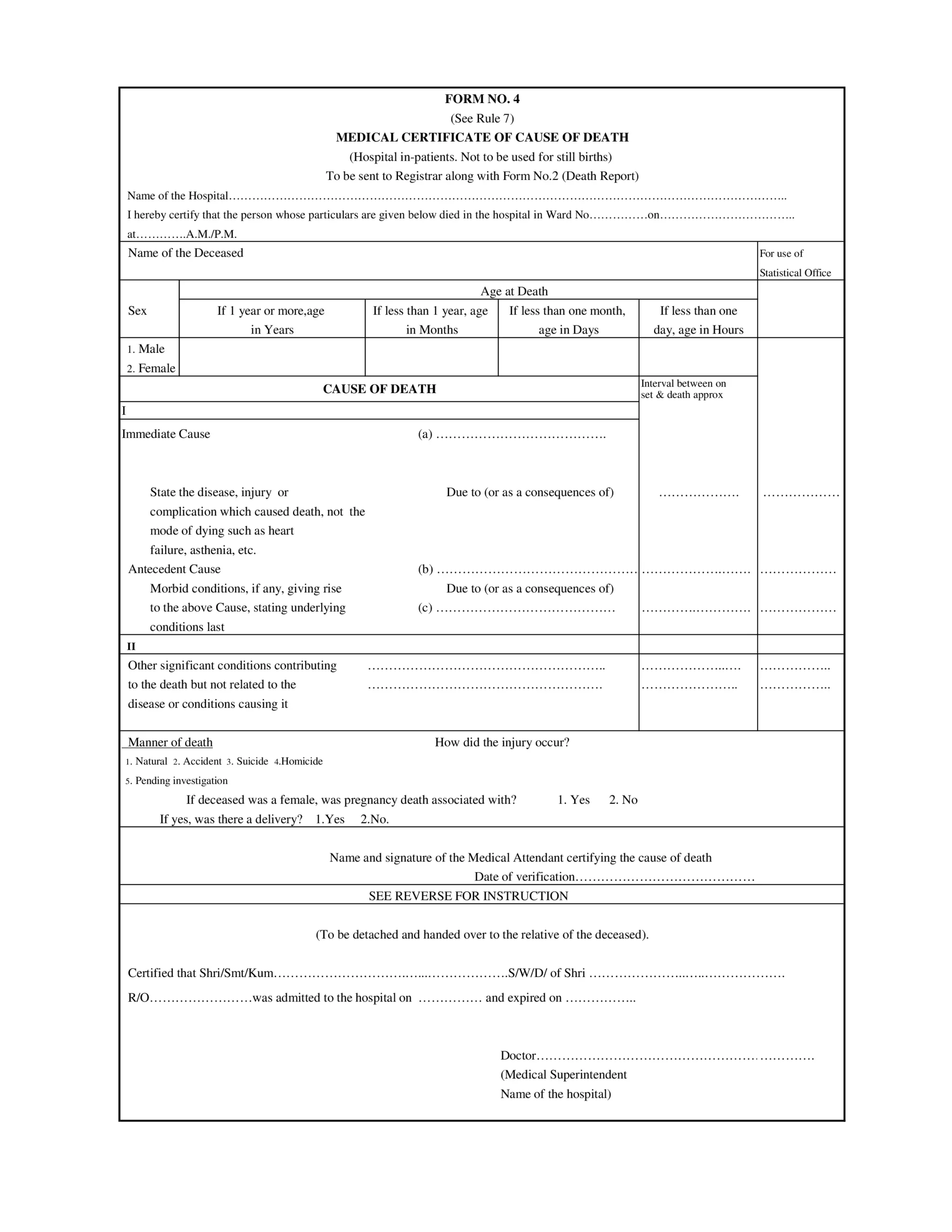
Used for institutional death documentation, commonly when death occurs in a hospital or medical institution.
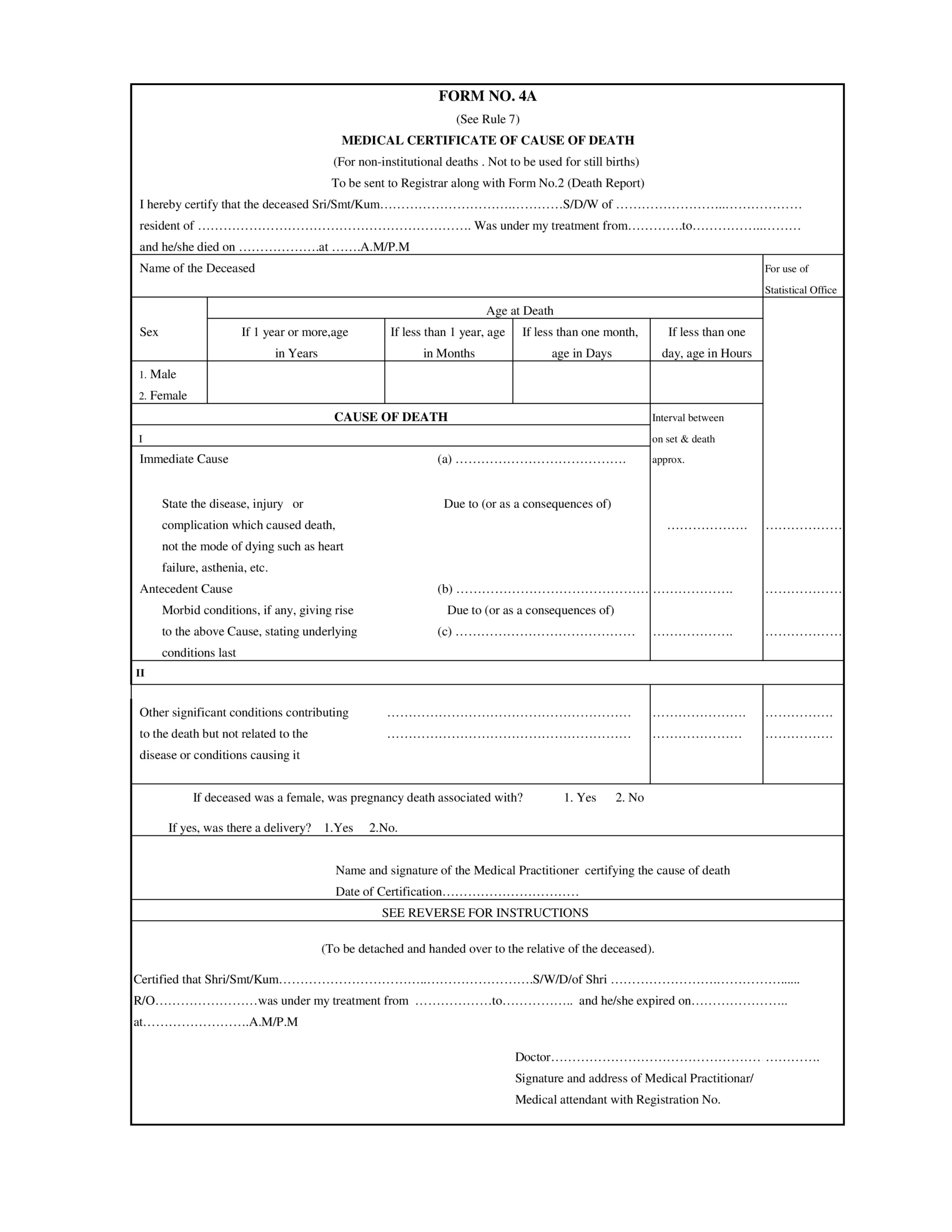
Used for non-institutional death documentation, depending on doctor certification and local process.
Bangalore sees many outstation death cases because people come here for work, education, medical treatment and long-term stay. The process depends on where death happened — hospital, home, PG, hotel, workplace or accident location.
For hospital deaths, collect hospital documents and mortuary release. For sudden or non-hospital deaths, follow doctor and police guidance before moving the body.
For long-distance routes from Bangalore, air cargo from Kempegowda International Airport is often preferred when the destination is Delhi, Patna, Kolkata, Lucknow, Varanasi, Guwahati, Ranchi, Bhubaneswar, Jaipur, Ahmedabad, Kochi, Chennai, Hyderabad or other far cities.
For Bangalore air support, see: Dead Body Air Transportation from Bangalore.
For Karnataka-related death registration information, families may also refer to eJanMa Karnataka and the Bengaluru Urban death certificate page.
Preservation is important when relatives are coming late, documents are pending, post-mortem is delayed, flight is next day, or road transport will take many hours.
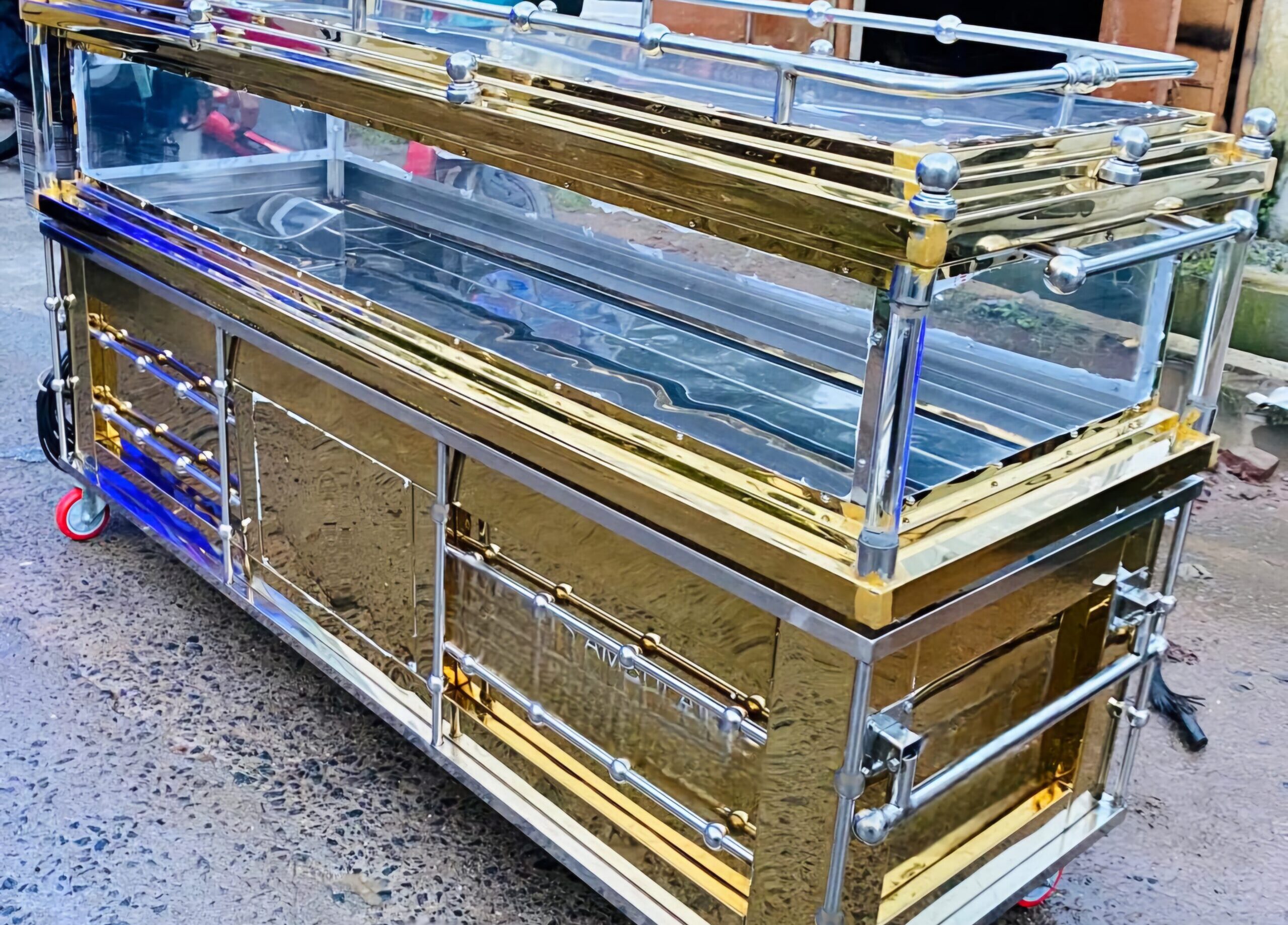
Useful for short-term preservation at home, hospital, lodge or funeral location when waiting for relatives or cremation timing.
Read freezer box guide →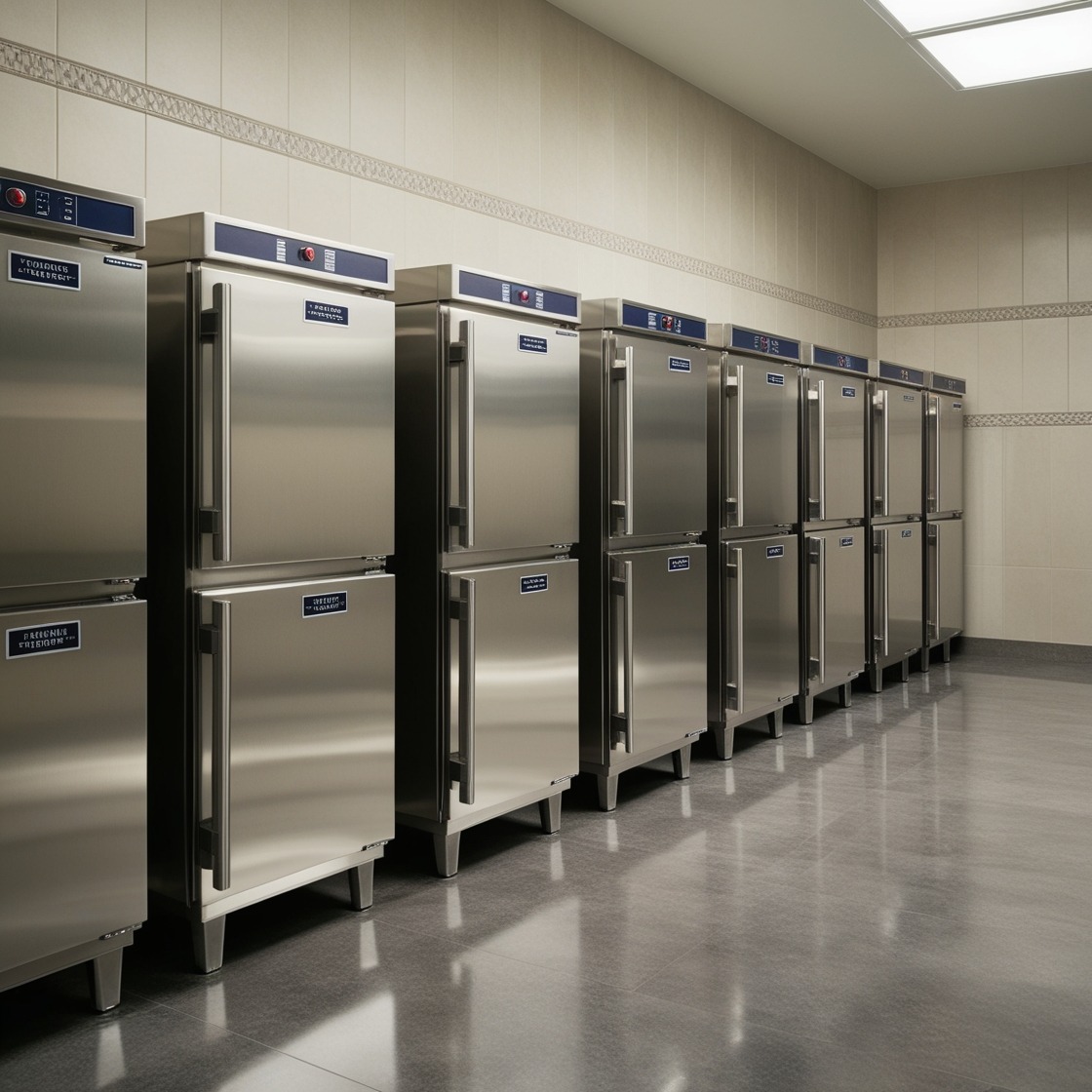
Better when documents, police process, flight cargo or family arrival may take longer. Controlled storage is safer than unmanaged waiting.
Freezer box or mortuary van? →
Commonly required for air cargo in a coffin and advised in many long-distance cases where preservation and dignity are important.
Air transport is usually preferred for long distances where road movement would take too many hours. The body moves as human remains cargo, not as normal passenger baggage.
Helpful route page: Dead Body Transport by Air from Delhi IGI.
Road transport is useful for nearby districts, same-state movement, villages far from airport, or cases where cargo timing is not practical. It may also be chosen when the family wants direct door-to-door movement without airport cargo steps.
Sometimes transporting the body may not be the best choice. If body condition is sensitive, documents are delayed, budget is limited, or family agrees, cremation or burial can be completed in the city where death happened.
Swargayatraa can help with hearse van, freezer box, crematorium coordination, priest or ritual support, burial support, pooja materials, ash collection and final rites guidance depending on the city and availability.
Prices vary by city, route, vehicle, airline, documents, timing and family requirements. Use this as guidance, not a fixed quote.
| Service | General Starting Guidance | What Changes the Price |
|---|---|---|
| Freezer box | ₹4,000 – ₹8,000+ | City, distance, box type, duration, floor, lift, manpower, night dispatch. |
| Local hearse | ₹2,500 onwards | City distance, waiting time, vehicle type and manpower. |
| Within-state road transfer | ₹8,000 onwards | Distance, vehicle, tolls, route, return distance and preservation need. |
| Long road transport | Often ₹24–₹35/km+ | Normal hearse, AC hearse, freezer hearse, route and urgency. |
| Domestic air transport | Often ₹25,000 – ₹35,000+ for some sectors | Airline cargo, coffin, embalming, pickup, destination receiving and last-mile transfer. |
| Cremation setup | Varies by city and crematorium | Wood/electric cremation, priest, materials, vehicle, manpower and rituals. |
For full pricing logic, read: Dead Body Transport Cost 2026: Road & Air Charges Guide.
Use these service pages only where relevant inside the blog. This creates a clean hub-and-spoke internal linking structure without making the article look spammy.
Swargayatraa Funeral Services can help with hospital release guidance, police NOC guidance, freezer box, mortuary support, embalming, coffin packing, air cargo, road hearse, destination receiving, cremation and final rites coordination.
Families can refer to the Civil Registration System FAQ for birth and death registration guidance, Air India Cargo human remains guidance for airline cargo documentation, and eJanMa Karnataka for Karnataka birth and death registration records.
Requirements can vary by city, hospital, police station, registrar office and airline cargo office. Always confirm current requirements before movement.
First get the death medically confirmed. Then keep the deceased person’s ID proof, family ID proof, hospital or doctor documents, and destination details ready. Do not move the body casually if the death is sudden, accidental, suspicious, or outside a hospital. Arrange preservation quickly if transport or cremation will take time.
Yes. A deceased person can be transported from one state to another by road or air after the required medical, police, airline, and identity documents are completed. The exact process depends on the type of death, documents available, destination, and transport method.
Police NOC is commonly needed for accident, suicide, suspicious, sudden, unknown-cause, hotel, public-place, or medico-legal death cases. Some airline cargo offices may also ask for police certificate for domestic human remains movement. Always confirm before final cargo submission.
Common documents include death certificate or medical death document, medical certificate of cause of death, police certificate or NOC where required, embalming certificate, coffin or sealing certificate, ID proof of the deceased, sender ID proof, receiver ID proof, and cargo booking details.
For transporting a non-cremated body by air cargo, families should treat embalming, embalming certificate, coffin packing, and sealing certificate as essential requirements. Airline rules should be checked before booking.
For some basic domestic sectors, the total process may start around ₹25,000 to ₹35,000, but final cost depends on airline cargo charges, coffin, embalming, pickup vehicle, airport handling, destination receiving, and last-mile road transfer.
Local hearse movement may start around ₹2,500 in some cities. Within-state movement may start around ₹8,000. Long-distance road transport is often charged per kilometre and may vary by normal hearse, AC hearse, or freezer-supported vehicle.
Use a freezer box when relatives are arriving late, documents are pending, cremation is delayed, or the body has to be kept safely for a few hours or overnight. For longer delays, mortuary storage or embalming may be safer.
Yes. Families can complete cremation or burial in the city where death happened if documents and local permissions are available. Ashes can later be taken to the native place or holy place for rituals.
Death registration is usually connected to the place where death occurred. Even if the body is transported to another city, the family should follow the registration process at the place of occurrence through the hospital, registrar, municipal authority, or local portal.
If direct flight is not available, the family can consider a connecting cargo option, a nearby destination airport, or road transport. The right option depends on cargo timing, body condition, documents, and distance from the destination airport to the home or village.
Yes. Swargayatraa can help with origin-side hospital release, preservation, embalming, coffin packing, airport cargo or road vehicle, and destination-side receiving, hearse van, cremation, burial, or final rites support where service is available.